Understanding the Website Development Process
Understanding the Website Development Process

Table of Content.
- What is Website Development?
- The Initial Planning Stage
- Website Development Steps
- Full Stack Website Development Explained
- Testing and Quality Assurance
- Understanding Website Development Cost 2025
- The Launch and Post-Launch Phase
What is Website Development?
Website development is the art and science of building websites. It involves creating a site that people can visit on the internet. Think of it as putting together a puzzle, where each piece matters.
The process typically starts with planning. Developers decide what the website should do and how it should look. They create a blueprint to guide the building process.
Then comes the actual building stage. This involves coding, which is like writing instructions for the computer. Developers use languages like HTML, CSS, and JavaScript to make the site work.
Once the website is built, it needs testing. This ensures everything works as it should. Developers check for broken links, loading times, and how it looks on different devices.
A key part of website development is maintenance. This means keeping the site updated and fixing any problems that arise. It's like taking care of a garden; regular attention keeps it thriving.
Website development combines creativity with technical skills to produce functional and appealing sites. It's a crucial step in creating an online presence.

The Initial Planning Stage
The initial planning stage is the foundation of any successful website development project. This phase begins with understanding the purpose of the website. Ask yourself, what is the main goal? Is it to sell products, share information, or provide a service? Knowing this will guide the entire project.
Next, think about your target audience. Who will visit your website? Are they young, tech-savvy individuals or older adults who prefer simplicity? This helps in designing a user-friendly site that meets their needs.
Creating a sitemap is an essential part of planning. It's like a floor plan for your site, showing how pages will connect. This ensures that users can easily find what they need.
Budgeting is another critical aspect. Consider the website development cost in 2025. Costs can vary based on complexity and features. Planning your budget early can prevent surprises later.
Don’t forget to choose the right domain name. It should reflect your brand and be easy to remember. A good domain name can enhance your online presence and attract more visitors.
Finally, gather all the content you need, such as text, images, and videos. Having this ready can streamline the development process. Planning carefully in this stage sets the tone for the rest of the project and helps avoid costly mistakes.

Website Development Steps
Starting a website can seem overwhelming, but breaking it down into steps makes it manageable. First, you need to plan. Think about what your site will do. Is it a blog, a shop, or a portfolio? Decide on the site's goal. This helps you know what features you need.
Next, design is key. This is about how your site looks. Choose colors and fonts that match your brand. Make sure the navigation is easy. People should find what they need without trouble.
Development comes after design. This is when coding happens. You or a developer will write the code. This creates the site you designed. There are many tools to help, like WordPress or Wix.
Testing is the next step. Check everything works. Click on links and fill out forms. Make sure it looks good on phones and computers.
Once you're happy, it's time to launch. This means putting your site online for the world to see. You need a domain name and hosting service. A domain is your website's address, like www.example.com. Hosting is where your site's files live.
Finally, maintain your site. Update it with new content. Fix any problems. This keeps your site fresh and working well. These steps guide you from an idea to a live website. Each step is important for a successful online presence.
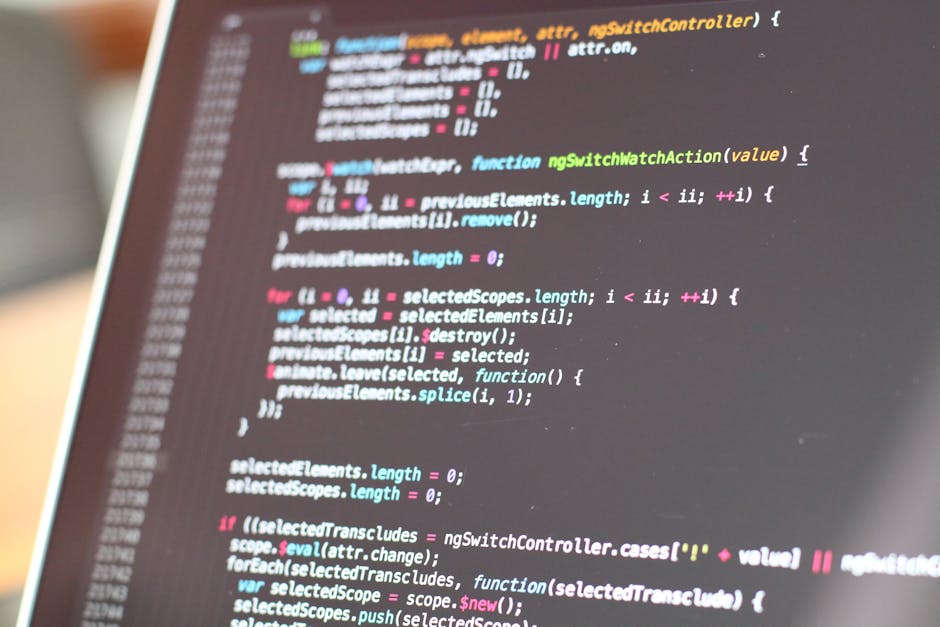
Full Stack Website Development Explained
Full stack website development is like being a jack-of-all-trades in the world of web creation. Imagine it as someone who can build both the front and back of a house. In website terms, this means handling both the client-side (front-end) and server-side (back-end) of a web application.
The front-end is what users see and interact with. It includes everything from the layout and colors to buttons and text. Technologies like HTML, CSS, and JavaScript are used to create these elements. Suppose you're building a website for a local bakery. The front-end would include the images of bread, the menu list, and the contact form.
On the other hand, the back-end is where the magic happens, but users don't see it. It's like the kitchen of our bakery, where ingredients are stored and prepared. This part involves databases, servers, and applications that process the data entered by users. For instance, when a customer submits an order, the back-end takes care of storing the order details and processing the payment.
A full stack developer is skilled in both areas. They know how to make a website look good and function well. This dual expertise makes them highly valuable, as they can create complete and functional websites from scratch. They use tools and languages such as SQL for databases, Node.js for server-side programming, and frameworks like React or Angular for front-end development.
Becoming a full stack developer requires time and practice. It's a journey where one learns to connect the dots between different parts of a website. Whether you're building a personal blog or an e-commerce site, understanding full stack development opens up many possibilities in the tech world.
Testing and Quality Assurance
In the world of website development, testing and quality assurance (QA) are crucial steps. Once the website is built, it needs to be tested to make sure everything works correctly. Think of it like checking a car before driving it. You wouldn't want the engine to fail while you're on the road. Similarly, a website should be tested to avoid any problems for users.
Testing involves several steps. First, developers test the website themselves. They check if all the links work, if the pages load quickly, and if the design looks good on different devices. This is called functional testing. It's like making sure a door opens and closes properly.
Next comes usability testing. This step checks if users can navigate the website easily. Imagine a library where books are not organized. It would be hard to find what you're looking for. Usability testing ensures that users can find information without getting lost.
Then there's performance testing. This step checks how fast the website loads and handles many users at once. A slow website can make users frustrated, just like a slow restaurant service can irritate hungry customers.
Security testing is another important part. Developers look for any weak spots that hackers might exploit. It's like checking if your house doors and windows are locked to keep intruders out.
Finally, there's compatibility testing. This checks if the website works well on different browsers and devices. Whether someone uses a phone, tablet, or computer, the website should look and work the same.
Once all these tests are done, developers fix any issues they find. This process might seem long, but it's essential. Testing helps create a smooth experience for users. It prevents problems that can drive visitors away. A well-tested website is like a well-tuned car, ready for a smooth ride. By focusing on testing and quality assurance, developers ensure that the website is ready for the real world.
Understanding Website Development Cost 2025
When you're thinking about creating a website in 2025, understanding the costs involved is crucial. Website development costs can vary greatly depending on what you need. Let's break down the main factors that can influence these costs.
First, consider the type of website you want. A simple blog or portfolio site will cost less than an e-commerce platform with hundreds of products. The complexity and number of features play a big role in determining the price. For example, a site with custom animations and interactive elements will require more time and expertise, increasing costs.
Next, think about the design of your site. Custom designs tailored to your brand are more expensive than using a pre-made template. While templates are cheaper, a unique design can make your site stand out, offering a better user experience.
Another factor is the choice between hiring freelancers or a web development agency. Freelancers might charge less, but agencies often provide a team of experts that can handle everything from design to launch. Agencies might be pricier, but they can offer more comprehensive services.
Don't forget about ongoing costs. These include domain registration, hosting, and maintenance. Hosting costs can vary depending on the server type and provider you choose. Regular maintenance ensures your site runs smoothly, which is essential for keeping visitors happy.
In 2025, there's also the consideration of emerging technologies. New tools and software can make websites more efficient and attractive but might add to the cost. For instance, integrating AI features or advanced SEO tools can be beneficial but could raise expenses.
Finally, geographical location can impact costs. Developers in different regions may have varying rates. This doesn't mean one is better than the other; it's about finding the right fit for your budget and needs.
By understanding these factors, you can better plan your budget for website development in 2025. Always consider what features are essential for your business and where you can compromise to keep costs manageable.
The Launch and Post-Launch Phase
The launch of a website is like opening night for a theater production. You've put in the hard work, and now it's time to show it to the world. Before you press that big "Go Live" button, do a final check. Ensure all links work, images load correctly, and content is error-free. It's a good idea to test the site on different devices and browsers. This way, you know it looks good everywhere.
Once the website is live, the real work begins. It's important to monitor how the site performs. Check how fast pages load and if any sections aren’t working as expected. Tools like Google Analytics can show you how visitors are interacting with the site. Are they finding what they need? Are they leaving too soon? These insights help you make improvements.
After launch, keep an eye on user feedback. Encourage visitors to share their thoughts through surveys or feedback forms. They might point out issues you didn't notice. This feedback is valuable for making the site better. Regular updates keep the site fresh and relevant. Update content to reflect changes in your business or industry.
Think about SEO, too. Make sure your site uses the right keywords so people can find it easily on search engines. SEO is not a one-time task; it’s ongoing. Keep track of how your site ranks and adjust your strategy if needed.
Security is another critical aspect of the post-launch phase. Protect your site from hackers by using strong passwords and keeping software up to date. Regular backups ensure you can restore the site if anything goes wrong.
Lastly, celebrate your achievement. Building and launching a website is no small feat. Share the news on social media or through an email newsletter. Let your audience know the site is live and ready for visitors. This helps drive traffic to your new site and increases engagement with your brand.
FAQ
What is website development and why is it important?
Website development involves creating and maintaining websites. It is crucial in today's digital landscape as it establishes an online presence, enhances brand visibility, and enables businesses to reach a global audience.
What happens during the initial planning stage of website development?
The initial planning stage involves defining the website's goals, identifying the target audience, and determining the necessary features. This phase sets the foundation for the entire development process by aligning the project with business objectives.
What are the key steps involved in website development?
The website development process includes several key steps: planning, design, content creation, coding, testing, and launch. Each step is essential to building a functional and effective website.
What is full stack website development?
Full stack website development refers to the process of working on both the front-end (client-side) and back-end (server-side) of a website. Full stack developers have the skills to handle all aspects of a website, ensuring seamless integration and functionality.
Why is testing and quality assurance important in website development?
Testing and quality assurance are critical to identify and fix bugs, ensure usability, and verify that the website functions as intended across different devices and browsers. This helps deliver a smooth user experience and reduces post-launch issues.
What should I expect in terms of website development costs in 2025?
In 2025, website development costs will vary based on factors like complexity, design, and maintenance needs. Typically, expenses include initial design, development, hosting, and ongoing updates, with potential for increased costs as technologies evolve.
What are the final steps involved in launching a website?
The launch phase involves deploying the website to a live server, ensuring all components function correctly, and making it accessible to users. Post-launch, ongoing maintenance is crucial for updates, security, and keeping the website relevant.