Fixed-Price vs Time and Materials: Which Contract Should You Choose for Your Software Project?
Choose a fixed-price contract when the scope is clear, written down, and unlikely to change. Choose time and materials (T&M) when you are still learning what to build, which describes most MVPs, AI projects, and products that will evolve after launch. For early-stage work, the approach that holds up best is a short paid discovery phase first, followed by either fixed-price phases with defined acceptance criteria or T&M with a budget cap and regular checkpoints.
The pricing model does not make a project safe. It changes who carries which risk. Fixed price puts the cost risk on the vendor, so the vendor protects itself through buffers, narrow scope definitions, and change fees. T&M puts the cost risk on you, so you need visibility and control to keep spending tied to progress. Knowing which risk you are better equipped to manage is the real decision.
How each model works
Fixed price. You and the vendor agree on a scope, a price, and usually a delivery date. The vendor commits to delivering that scope for that price. Payments are typically tied to milestones. Anything outside the agreed scope is handled through a change request, which is priced separately.
Time and materials. You pay for the work as it happens, typically based on hourly or daily rates for the people assigned, plus any agreed expenses. The vendor gives an estimate, but the final cost depends on what the work actually takes. You steer priorities as you go.
Dedicated team or retainer. A third model sits alongside the first two: you pay a recurring fee for a team or a block of capacity, and you direct their work through a backlog. It works well for products that are in continuous development or need ongoing support, because there is no repeated re-negotiation of scope. It looks like T&M with a predictable monthly cost.
Where fixed price works, and where it breaks
Fixed price is a good fit when you can describe the finished product precisely before work begins. Typical examples are a marketing site with a defined page list, a migration from one system to another with a known source and target, a clearly specified integration, or a small internal tool replacing a well-understood spreadsheet process.
It breaks down in predictable ways:
- The price includes a buffer for the unknown. Because the vendor carries the overrun risk, a fixed quote for anything uncertain is usually higher than the likely actual cost. You pay for risk whether or not it happens.
- The scope document becomes the product. If a requirement is vague, the vendor and client may read it differently. Disagreements about whether something is "included" are the most common source of friction in fixed-price projects.
- Change is expensive and slow. In a product where you learn from users as you go, every learning triggers a change request. That discourages exactly the adjustments that make an MVP succeed.
- The incentives can drift toward the minimum. A vendor that has fixed its price benefits from doing less, so quality has to be protected through acceptance criteria, reviews, and a warranty period rather than trust alone.
- The specification itself costs time. Writing a spec detailed enough to price accurately is real work, and for a product still being defined it can be wasted when the first user feedback arrives.
Where time and materials works, and where it breaks
T&M is a good fit when the product is being discovered, when requirements will change as you learn, when you want to iterate quickly, or when the work is hard to estimate in advance, as with AI features whose quality depends on experiments with your own data.
It also has failure modes:
- There is no built-in ceiling. Without a cap and checkpoints, costs can grow without a corresponding growth in value.
- It needs an engaged client. Someone on your side has to decide priorities, review work, and say no to low-value features. If nobody does, a T&M project drifts.
- Progress can be hard to judge. If you are not technical and the vendor does not demo regularly, hours spent can look like progress when they are not.
- Efficiency is not rewarded by the model itself. A vendor paid by the hour has no direct incentive to finish faster, so you rely on the vendor's professionalism and on how you structure the engagement.
These are manageable with the right controls, which the sections below cover.
Which model fits which project
- A small, well-specified build with fixed deliverables. Fixed price is reasonable, especially when the vendor has done the same kind of work before.
- An MVP. T&M or fixed-price phases. The purpose of an MVP is to learn, so you want freedom to change course. Our guide to MVP development costs explains what drives the budget, and how long an MVP takes helps you set expectations.
- An AI agent, chatbot, or LLM feature. T&M or phased work. Quality depends on experiments with real data, and you rarely know the right approach until you have tested it. A fixed price is only sensible for a narrow, well-defined pilot. When you vet vendors, how to hire an AI development team covers the questions to ask.
- A mobile app. Fixed price can work for a tightly scoped first release. If you expect the design and features to evolve, use phases. See how to hire a mobile app development team for evaluating partners.
- A product in continuous development. A dedicated team or retainer, with a backlog you reprioritize regularly.
- A project that depends on a poorly understood legacy system. T&M, or fixed price only after a paid investigation phase, because the unknowns are in the existing system.
Hybrid approaches that usually work best
Most experienced teams and clients end up combining the models.
- Paid discovery first. Spend a short, fixed-price phase on defining scope, user flows, technical approach, a prioritized backlog, and a more reliable estimate. You get documents you own, and you can take them to any vendor. Our article on running product discovery before development describes what this phase should produce.
- Fixed price per phase. Break the project into stages, each with its own scope, acceptance criteria, and price. You get cost certainty for the next phase without committing to the whole project, and you can change direction between phases.
- T&M with a cap. Agree on an estimate and a not-to-exceed budget for each sprint or phase. The vendor must flag when work is likely to exceed the cap, and you decide whether to continue, descope, or stop.
- Retainer after launch. Once the first release is live, move to a recurring arrangement for fixes, upgrades, and small improvements. To size it, see what software maintenance costs after launch.
Contract terms that matter more than the pricing model
The pricing model gets most of the attention, but several clauses decide whether a project goes well. Have a lawyer review the final contract; this is general guidance, not legal advice.
- Ownership of the code and deliverables. Confirm that you own the source code, designs, and documentation, and that ownership transfers on payment. Ask for access to the repository from the start rather than at the end.
- Acceptance criteria. Define what "done" means for each deliverable in testable terms, and describe how you will review and accept it.
- Change process. Decide in advance how scope changes are proposed, estimated, and approved, and how quickly the vendor must respond.
- Payment tied to delivered work. Link payments to milestones or to accepted increments, not just to calendar dates.
- Warranty period. Specify a period after delivery during which the vendor fixes defects at no charge, and define what counts as a defect versus a new request.
- Handover and termination. Make sure you can end the engagement, receive everything built so far, and bring in another team without penalty beyond work already performed.
- Team continuity and subcontracting. Ask who will actually do the work, whether they can be replaced without your consent, and whether any work is subcontracted.
- Third-party costs. Clarify who pays for hosting, licenses, and services, and in whose name accounts are created.
How to protect yourself under each model
Under fixed price:
- Invest in the specification. Include user flows, screens or wireframes, integrations, and non-functional requirements such as performance and security.
- Ask the vendor to list their assumptions and exclusions in writing, and read them closely.
- Agree on testable acceptance criteria for each milestone.
- Expect to pay for changes, and decide who can authorize them.
Under time and materials:
- Require a working demo at the end of every sprint or every week or two, not just status reports.
- Set a budget per sprint or phase, and ask for a forecast of remaining cost at each review.
- Get a rate card up front and agree on how team changes are handled.
- Assign one person on your side who owns priorities and can make decisions quickly.
- Keep a visible backlog so you can see what is done, what is in progress, and what is next.
Questions to ask a vendor
- How would you structure this project, and why that model rather than another?
- What assumptions is your estimate based on, and what would change it?
- What happens if we want to change scope halfway through?
- How do you report progress, and how often do we see working software?
- Who owns the code, and when do we get repository access?
- What does your warranty or defect-fix policy cover?
- Can we start with a paid discovery phase, and what would we receive from it?
If you are also deciding between types of providers, see our comparison of an MVP development company versus a freelancer.
Key takeaways
Fixed price suits a well-defined scope. Time and materials suits work you are still discovering. Most early-stage projects do best with a paid discovery phase followed by fixed-price phases or capped T&M, and a retainer once the product is live. Whichever model you pick, the clauses on ownership, acceptance, change handling, and handover protect you more than the price structure does, and regular working demos are the best early warning that a project is off track.
If you are weighing how to structure a project and want a second opinion, the RMJDG team can help you scope a discovery phase and choose an engagement model that fits your situation.
Services
Not sure where to start? Tell me what you want the product to do.
Related work
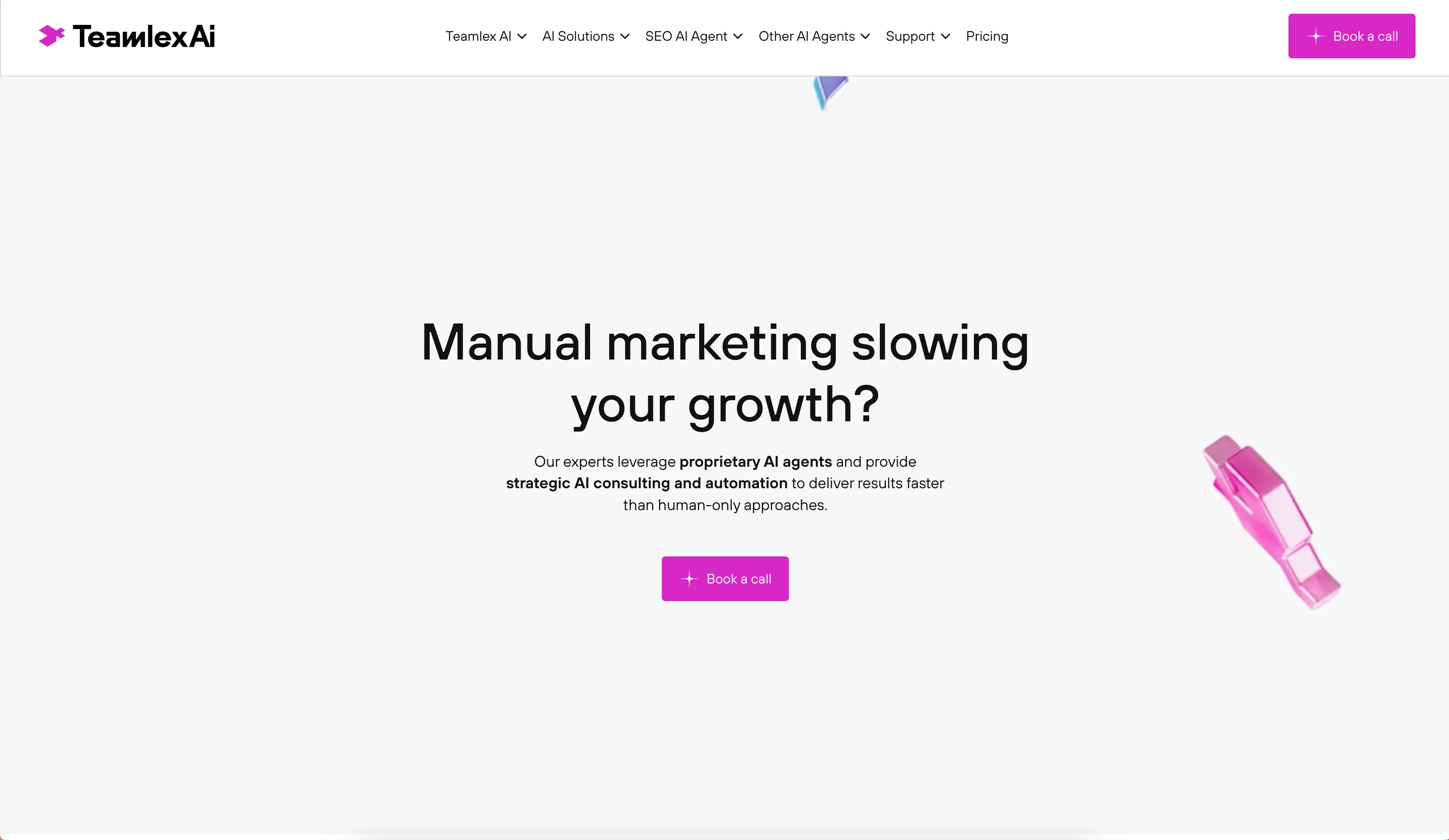
Teamlex AI: an AI SEO platform
An AI SEO platform for understanding search intent, analyzing competitors, and creating optimized content.
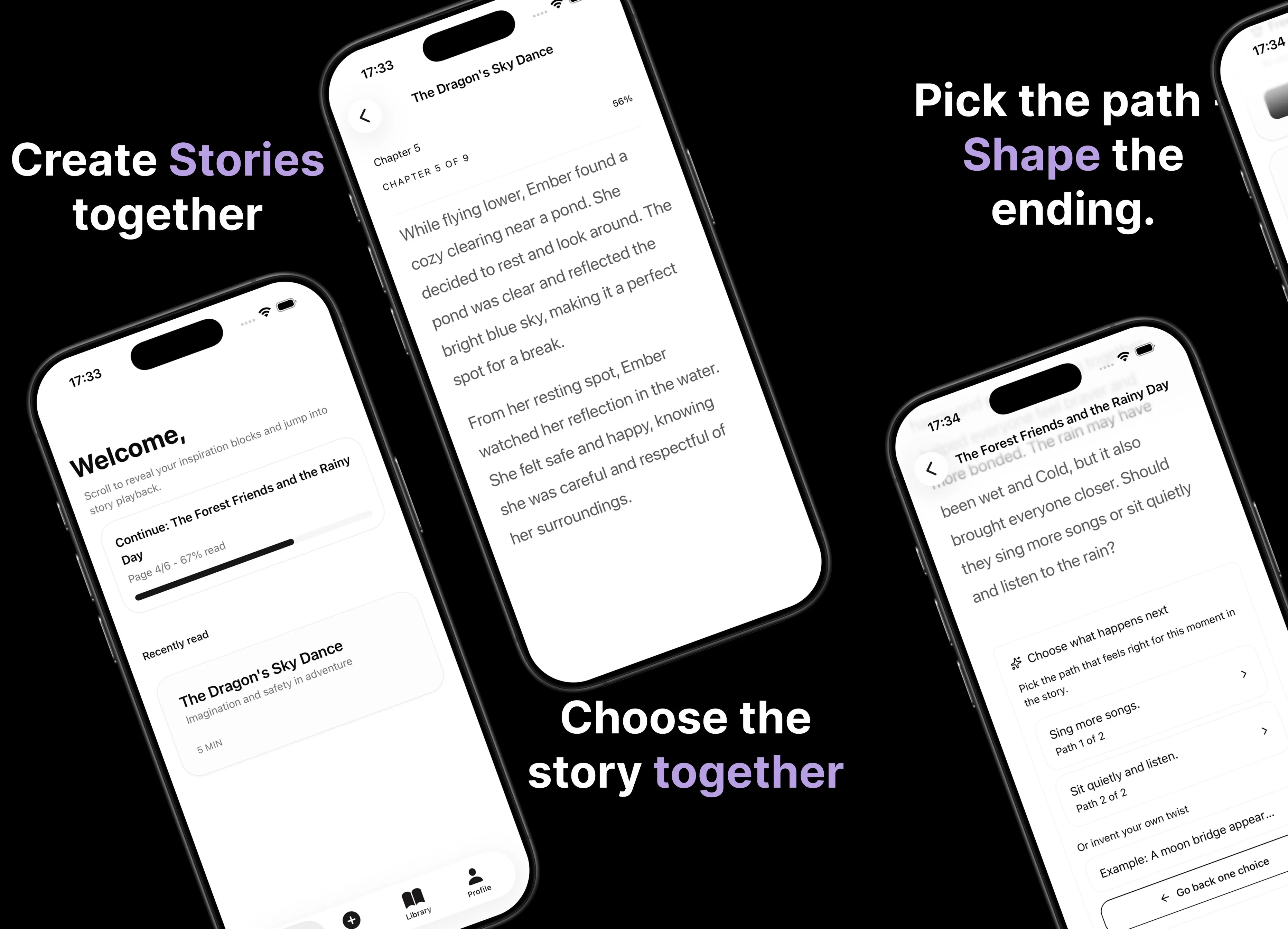
Parent AI Stories: personalized bedtime stories
A mobile product that helps parents create personalized bedtime stories for children in minutes.