How Long Does It Take to Build an MVP? A Realistic Timeline
Most MVPs take 8 to 16 weeks to go from kickoff to a live product that real users can try. A narrow, single-workflow product can ship in 4 to 8 weeks, while an MVP with AI features, several integrations, or both web and mobile clients often needs 16 weeks or more. These are planning ranges, not guarantees. The real number depends far more on how tightly you scope the first version and how quickly decisions get made than on how fast engineers write code.
This guide explains where the time goes, what stretches it, and how to plan a timeline you can actually hold.
MVP timelines by scope
The ranges below assume a small team (roughly two or three engineers plus part-time design and product input) and a founder who can answer questions within a day.
- Focused single-workflow product (4-8 weeks). Sign-up and login, one core workflow, a simple dashboard, basic admin tooling, and one or two third-party services such as email or payments. Think of a booking tool for one type of service business.
- Standard SaaS MVP (8-14 weeks). A few connected workflows, role-based access, subscription billing, a proper admin area, and one or two integrations with outside systems.
- Complex MVP (14-24+ weeks). AI features that need evaluation and guardrails, multi-tenant permissions, several integrations, or a web app plus a mobile app.
If budget is the tighter constraint, the MVP development cost breakdown shows how these same scope levels translate into price.
Where the weeks actually go
Discovery and scoping (1-2 weeks)
This is where you decide what the first version is not. Turn the idea into one primary user, one core job, and a written list of must-have features. Skipping this phase doesn't save time; it moves the argument into the build, where changes are far more expensive.
If you haven't yet tested whether anyone wants the product, do that first. See how to validate your MVP idea before writing code.
Design (1-3 weeks, overlapping with the build)
For an MVP, design means user flows and a handful of key screens, not a full design system. Backend work and the data model can start while the interface is still being refined, which is how good teams keep the calendar short.
Build (the bulk: roughly 4-10 weeks)
Most of the calendar time sits here. Work in weekly increments and demo working software every week, so surprises show up in week 2 rather than week 10.
QA, hardening, and deployment (1-2 weeks)
Testing the core paths, setting up production infrastructure, error monitoring, backups, and analytics. Teams routinely underestimate this phase because the product "already works" on a laptop. Production is a different environment with real data, real payments, and real users doing unexpected things.
Launch and first feedback (ongoing)
An MVP isn't finished at launch. Launch is when it starts producing the information you built it for. What to do with that information is covered in from MVP to product-market fit: what to build next.
What makes an MVP take longer
Nearly every delay traces back to a short list of causes:
- Scope growth. A feature added in week 6 costs more than the same feature planned in week 1, because it touches work that's already done.
- Unclear requirements. Building a workflow the founder hasn't fully thought through usually means building it twice.
- Slow feedback. A build that waits three days for an answer loses three days, every time it happens.
- Third-party dependencies. Payment provider onboarding, domain and email verification, and app store review all run on other people's schedules.
- Roles and permissions. "Admins, managers, and members, each seeing different data" is a much bigger feature than it sounds, and it touches every screen and every query.
- Mobile. Shipping to iOS and Android adds store review cycles and device testing. Cross-platform frameworks such as React Native with Expo reduce the work but don't remove it.
- Data migration. Importing existing customer data or spreadsheets is rarely as clean as expected.
How AI features change the timeline
An AI demo takes days. A reliable AI feature takes weeks, because most of the work sits around the model call: prompt and retrieval design, evaluating outputs against real examples, handling bad or slow responses, controlling which data the model can see, and keeping token costs predictable.
If AI is the core of your product, budget explicit time for evaluation and iteration instead of treating it as a single ticket. Two related guides go deeper: how to add AI to an existing SaaS product for the architecture and rollout side, and AI agent development cost for what running those features costs over time.
How to ship faster without cutting the wrong things
- Pick one user and one job. Every additional persona multiplies screens, permissions, and testing.
- Buy the commodity parts. Authentication, payments, transactional email, and file storage are solved problems. Use managed services rather than building your own.
- Question whether the first version needs custom code at all. If the goal is only to test demand on a standard workflow, a no-code or manual version can take days instead of months. No-code vs custom development for your MVP explains where that stops working.
- Use a boring, well-supported stack. TypeScript with Next.js and Node.js, or Python with FastAPI, on managed infrastructure such as AWS, is quick to build with and easy to hire for later.
- Demo weekly. Working software in front of the decision-maker every week keeps scope honest.
- Decide fast. Agree up front on who makes product decisions and how quickly they respond.
- Settle who builds it early. Team structure changes both speed and risk. The trade-offs are laid out in MVP development company vs freelancer.
What to cut and what not to cut
Cut the things users won't miss on day one: multiple user roles, settings pages, polished onboarding, admin reporting, and integrations nobody has asked for.
Don't cut the things that are cheap now and expensive to retrofit:
- Basic security: authentication, access control, input validation
- Backups and a tested way to restore them
- Error monitoring, so you find problems before users report them
- Analytics on the one action that defines whether the MVP is working
An illustrative 12-week plan
This is a generic example of how a standard MVP can be paced, not a description of a specific project.
- Weeks 1-2: scoping, user flows, data model, infrastructure and deployment pipeline
- Weeks 3-8: core workflow, authentication, billing, with a demo every week
- Weeks 9-10: remaining must-have features and admin tooling
- Week 11: QA, security review, production deployment
- Week 12: soft launch with a small group of real users, bug fixing, confirming analytics work
How to estimate your own timeline
- List every feature you can think of.
- Sort them into must-have, should-have, and later.
- Estimate only the must-haves.
- Add a buffer for integrations and feedback loops. Something in the range of 20-30% is a common rule of thumb.
- Sanity-check the result with someone who has shipped similar products. Their gut check on integrations and edge cases is often the most valuable part.
If the total lands well above 16 weeks, the answer is usually a smaller first version, not a bigger team. Adding engineers to a poorly scoped project rarely shortens it.
Bottom line
A well-scoped MVP typically takes two to four months. The variables you control, such as scope, decision speed, and the choice to buy rather than build commodity features, matter more than any technology choice.
If you're planning an MVP and want a second opinion on scope or timeline, RMJDG works with founders on exactly this. You can reach out through the RMJDG site to talk it through.
Services
Not sure where to start? Tell me what you want the product to do.
Related work
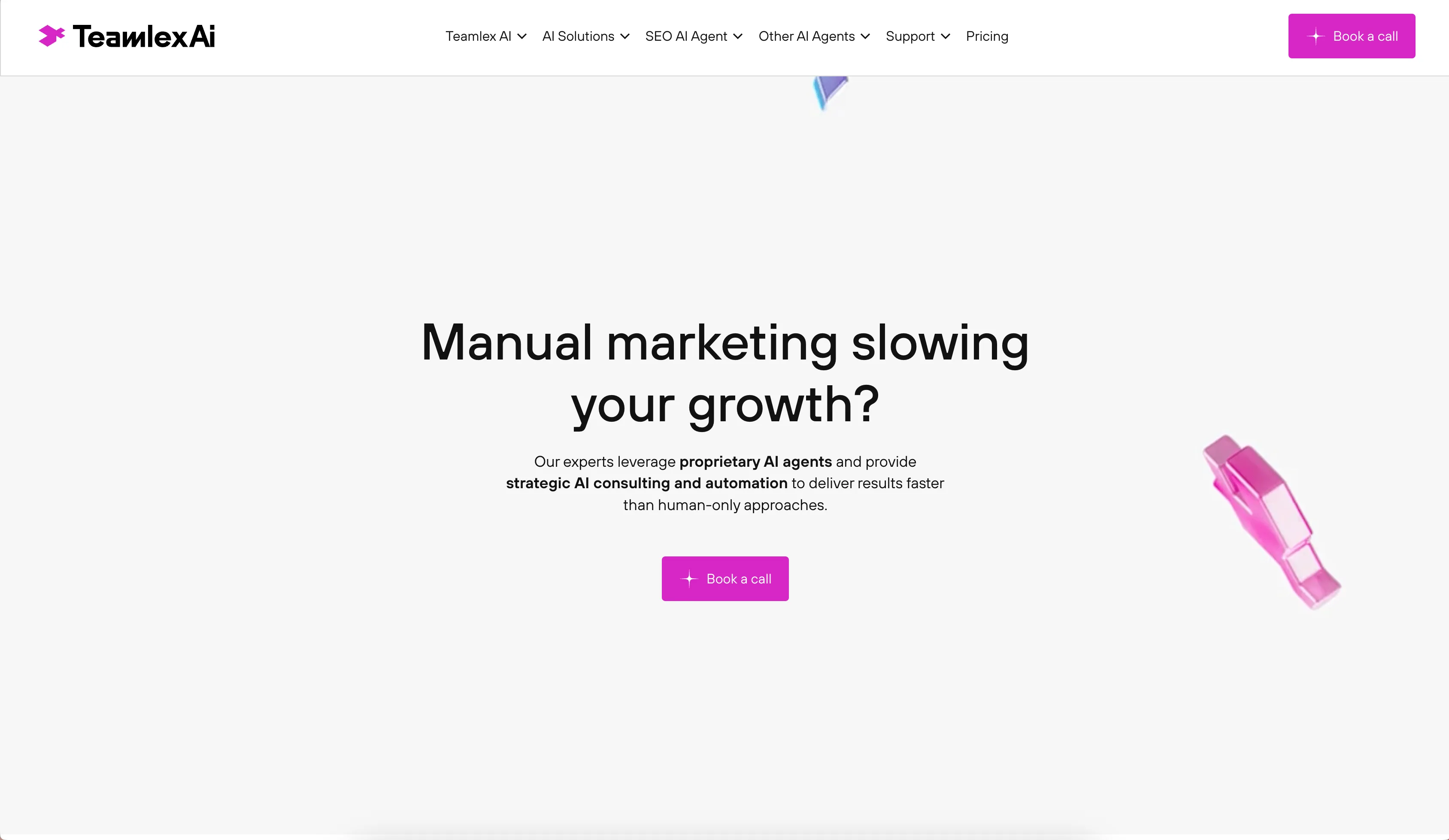
Teamlex AI: an AI SEO platform
An AI SEO platform for understanding search intent, analyzing competitors, and creating optimized content.
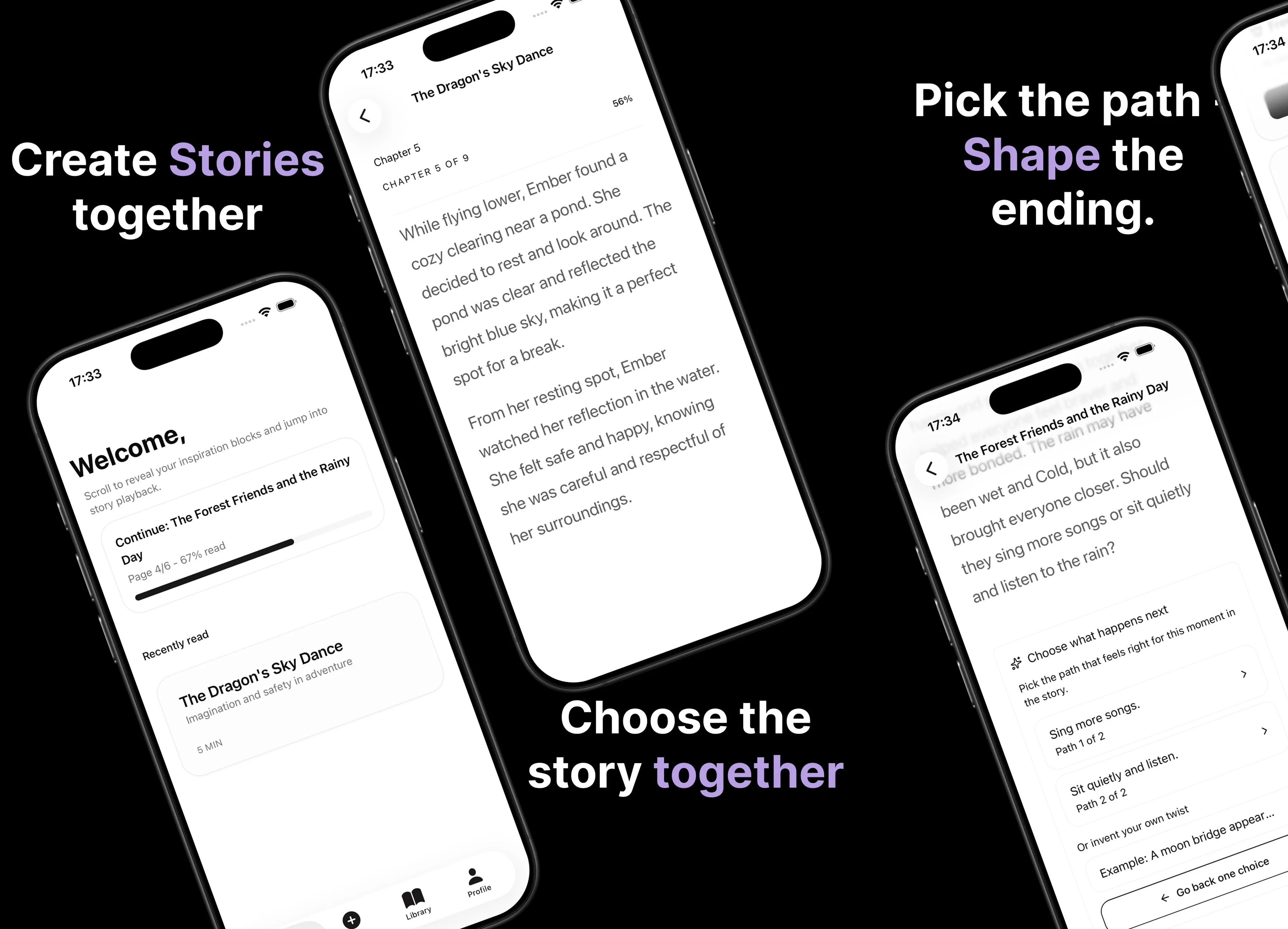
Parent AI Stories: personalized bedtime stories
A mobile product that helps parents create personalized bedtime stories for children in minutes.