How Much Does It Cost to Build a SaaS Product in 2026?
A focused first version of a SaaS product typically costs somewhere between $30,000 and $80,000. A mid-complexity product with several user roles, integrations and reporting usually lands between $80,000 and $200,000. Compliance-heavy or enterprise-grade platforms start around $200,000 and can go well past $400,000.
Those are planning ranges, not quotes. If you search for SaaS development cost, published guides quote anything from about $15,000 to more than $500,000, and the spread is real: they are pricing different products, with different teams, in different markets. The useful question is not "what is the average?" but "which tier does my product sit in, and what pushes it up or down?"
This guide covers the SaaS-specific costs that a generic app estimate misses. If you want the broader picture first, start with our breakdown of MVP development costs.
SaaS development cost by product tier
Lean SaaS MVP: roughly $30,000-$80,000, usually 2-4 months. One core workflow that solves one problem for one type of customer. Sign-up and login, a single main feature, a basic dashboard, subscription billing, transactional email, and a minimal admin view. No custom roles, no enterprise features, few or no integrations.
Mid-complexity product: roughly $80,000-$200,000, usually 4-8 months. Team workspaces with roles and permissions, several integrations (CRM, accounting, calendar, webhooks), reporting, audit logs, a public API, onboarding flows, and proper usage tracking. This is where most funded SaaS products sit after their first real customers arrive.
Complex or compliance-heavy platform: roughly $200,000-$400,000+, 8+ months. Single sign-on (SAML/OIDC), SOC 2, HIPAA or similar requirements, data residency, tenant-level customization, high-availability infrastructure, and advanced analytics. Most of this spend is not features users see. It is security, reliability and evidence for auditors.
Treat the timelines the same way as the costs: they assume a small, senior team and a scope that stays put. For what stretches a schedule, see how long it takes to build an MVP.
Why SaaS costs more than a normal web app
A SaaS product is a web app plus the machinery of running a subscription business for many customers at once. The extra parts are where estimates drift.
- Multi-tenancy. Every customer's data must be isolated from every other customer's, in the database, the cache, file storage, search indexes and background jobs. Getting the model right early is cheap; retrofitting it later is one of the most expensive rewrites in SaaS. We cover the options in multi-tenant SaaS architecture and which model to choose.
- Subscription billing. The happy path (customer picks a plan and pays) is quick to build. The edge cases take the time: trials, upgrades and downgrades with proration, failed payments and retries, invoices, tax handling, refunds, and what the product does when an account lapses. Using a billing provider such as Stripe Billing saves months, but you still build the logic around it.
- Authentication and authorization. Email login is easy. Team invites, role-based permissions, password resets, session handling and, later, SSO are not.
- Admin and support tooling. Someone has to see an account, impersonate a user safely, issue a credit, or fix bad data. Founders forget this line item until the first support ticket arrives.
- Onboarding and lifecycle email. Activation drives retention in SaaS, so onboarding flows and emails are product work, not decoration.
- Usage metering. If pricing is per seat, per usage, or tiered by limits, the product needs to measure and enforce it.
- Data export and deletion. Customers and regulations increasingly expect both.
None of these is exotic. Together they are why a "simple" SaaS often costs noticeably more than the equivalent internal tool or marketing-site-plus-app.
The main cost drivers, in order of impact
- Scope. Nothing else comes close. Every extra role, integration and report multiplies design, build and testing time.
- Team model. A freelancer, a small product studio, a large agency and an in-house team have very different rates and different risk profiles. We compare them in MVP development company vs freelancer.
- Integrations. Each third-party API adds authentication, error handling, rate limits, testing against a sandbox, and ongoing breakage when the vendor changes something.
- Compliance. If you sell to healthcare, finance or large enterprises, budget for security work and audits from the start rather than after the first big deal demands them.
- AI features. An AI feature adds engineering (prompting, retrieval, evaluation) and a variable running cost per customer. See how to add AI to an existing SaaS product for how to scope the first feature.
- Design depth. A clean, conventional interface built from an existing component library costs far less than a fully custom design system.
- Build approach. No-code can validate an idea cheaply but hits limits with multi-tenancy, permissions and billing logic. The tradeoffs are in no-code vs custom development for your MVP.
What it costs after launch
The build estimate is only part of the budget. Plan for these recurring costs from day one:
- Hosting and infrastructure. Small at the start, but it grows with customers, data and background processing. A modest AWS setup is cheap early on; costs rise when you add redundancy, staging environments and monitoring.
- Third-party services. Email delivery, authentication, error tracking, analytics, search, and payment processing fees.
- Maintenance and iteration. Dependency updates, security patches, bug fixes and the steady stream of customer-requested changes. A commonly used planning rule of thumb is to budget roughly 15-20% of the original build cost per year, though an actively growing product will spend more because it keeps shipping features.
- AI usage costs. If your product calls language models, every active customer has a variable cost. Model it before you set pricing, and see how to reduce LLM API costs without sacrificing quality for ways to keep it in check.
How to lower the cost without building the wrong thing
Cut to one workflow. The cheapest feature is the one you didn't build. Ship the single flow that proves people will pay, and let customer requests decide what comes next. If you haven't validated demand yet, do that before writing code.
Buy the commodity parts. Authentication, billing, transactional email and error tracking are solved problems. Use established providers and spend your budget on what makes your product different.
Choose a boring, productive stack. A mainstream stack (for example TypeScript, React or Next.js, Node.js or Python, and PostgreSQL on AWS) keeps hiring easy and avoids paying for novelty. We go through the decision in how to choose a tech stack for your MVP.
Decide tenancy up front, keep it simple. For most early-stage SaaS, a shared database with a tenant identifier on every table is the cheapest model that is still safe when done properly. Pay for stronger isolation only for the customers who require it, and read the multi-tenant architecture guide before you commit.
Defer enterprise features. SSO, granular audit logs and custom roles matter, but usually after a customer asks and is willing to pay for them. Build them when there is a signed deal behind them.
Start with a paid discovery phase. A short discovery sprint that produces a scoped backlog and an architecture sketch is far cheaper than discovering scope problems mid-build.
How to get an estimate you can trust
Whoever you ask, an estimate is only as good as the information behind it. Before you approach a team, write down:
- Who the users are and which roles exist
- The one core workflow, described step by step
- Your pricing model (flat, per seat, usage-based) and plan tiers
- Integrations you need at launch versus later
- Compliance or security requirements your first customers will impose
- How many customers you expect in the first year
Then look for these signs of a reliable estimate:
- A range with stated assumptions, not a single number
- A breakdown by feature or phase, so you can see what to trim
- Explicit mention of billing, multi-tenancy and admin tooling, which cheap quotes often omit
- A clear answer on who owns the code and infrastructure accounts
A very low quote that skips these items is not cheap; it is deferred cost.
Bottom line
Budget $30,000-$80,000 for a focused SaaS MVP, expect $80,000-$200,000 once you add roles, integrations and reporting, and plan for more if compliance or AI features are central to the product. Then reserve a yearly maintenance budget and model running costs per customer before you finalize pricing.
If you are scoping a SaaS build and want a second opinion on your feature list, architecture or budget, RMJDG's team can review it and give you a ranged estimate with the assumptions spelled out.
Services
Not sure where to start? Tell me what you want the product to do.
Related work
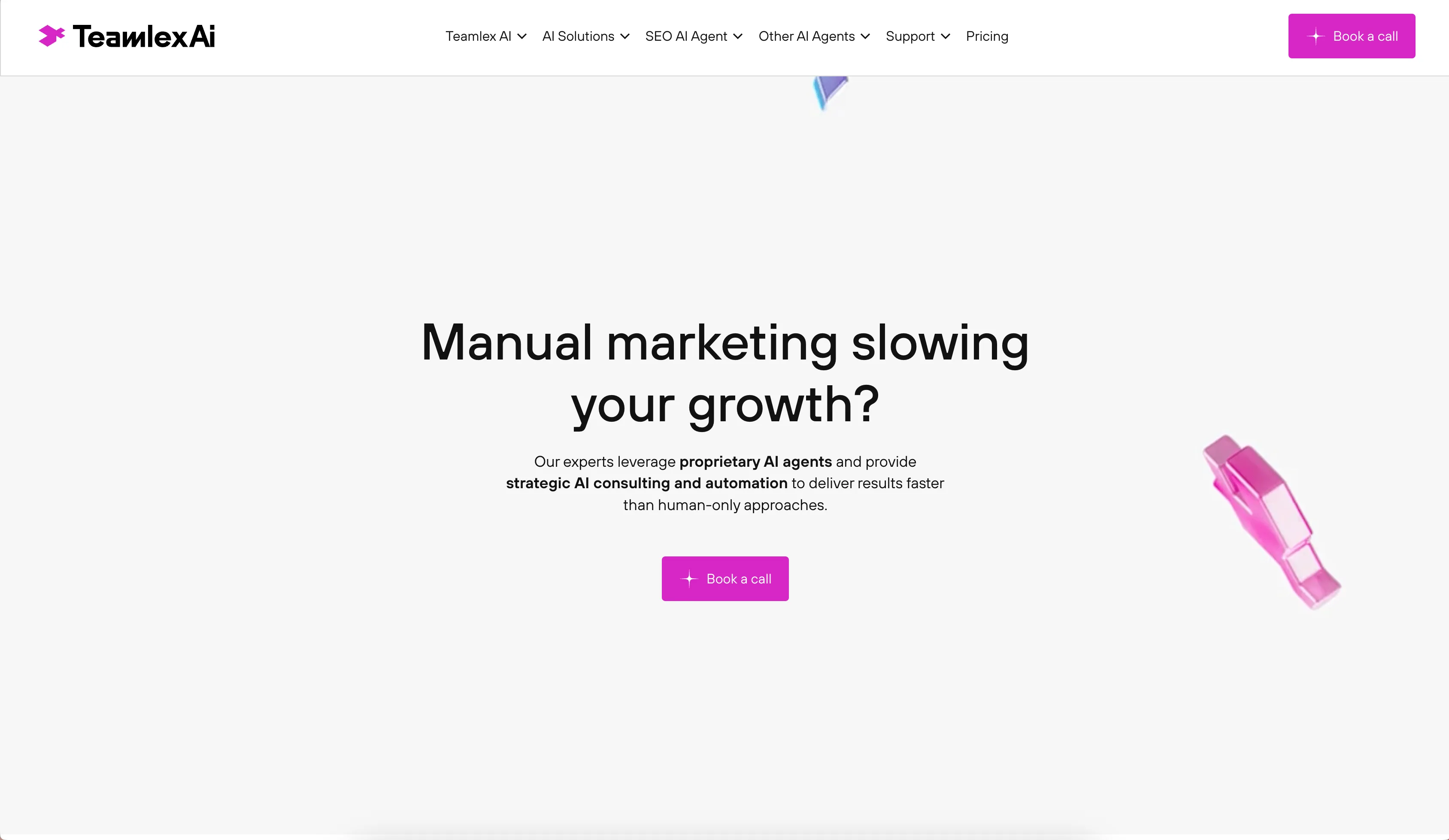
Teamlex AI: an AI SEO platform
An AI SEO platform for understanding search intent, analyzing competitors, and creating optimized content.
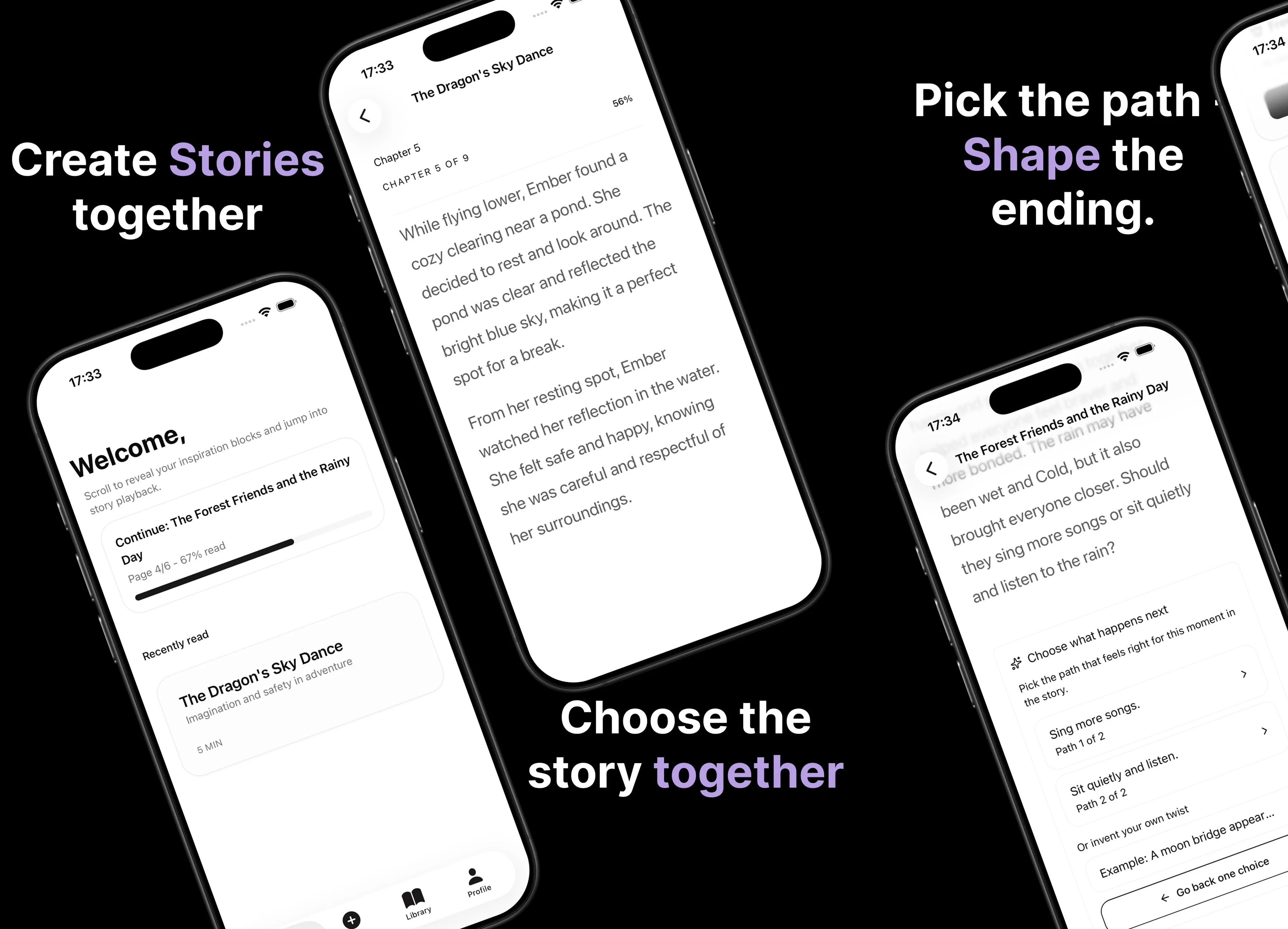
Parent AI Stories: personalized bedtime stories
A mobile product that helps parents create personalized bedtime stories for children in minutes.