How to Choose a Tech Stack for Your MVP
The best MVP stack is the one your team already knows well, that has managed hosting, and that won't force a rewrite at your next order of magnitude of users. For most web and mobile MVPs in 2026, that means TypeScript across the stack (React or Next.js on the front end, Node.js on the back end) or Python with FastAPI, a managed Postgres database, and deployment on a platform like AWS, Render, or Vercel. The specific technology matters far less than most founders assume; the decision-making process matters more.
This guide covers how to actually choose, not just a list of trendy tools.
The three questions that actually decide it
Before any framework comparison, answer these:
- What does your team already know? Building an MVP in a stack your engineers have to learn from scratch adds weeks and bugs you won't see coming. Familiarity beats "best practice" almost every time at this stage.
- What's the deployment target? Web-only, mobile-only, or both changes the framework choice significantly, especially for mobile.
- How much do you actually know about future scale? Most MVPs never need to handle massive scale. Optimizing the stack for hypothetical growth you haven't validated is a common and expensive mistake.
A sensible default stack for 2026
If none of the constraints above point strongly in another direction, this combination is a safe, well-supported default:
- Frontend: React or Next.js with TypeScript. Huge hiring pool, mature tooling, and Next.js gives you routing, server rendering, and API routes without extra setup.
- Backend: Node.js (often just Next.js API routes for a small MVP) or Python with FastAPI if the team is more Python-native or the product involves data science or AI work.
- Database: Managed PostgreSQL (via Supabase, Neon, or AWS RDS). Relational data fits most business applications, and managed hosting removes a whole category of operational work.
- Authentication: A managed auth provider (Clerk, Auth0, or Supabase Auth) rather than building your own. Auth is a solved problem with real security implications if done wrong.
- Hosting: Vercel or Render for simplicity, or AWS directly if you expect to need more infrastructure control soon.
- Mobile (if needed): React Native with Expo, which shares logic and often UI code with a React web app and avoids maintaining two separate native codebases.
This isn't the only valid stack. It's a reasonable starting point that won't paint you into a corner, has a large talent pool if you need to hire, and has managed services for nearly everything you'd otherwise build yourself.
When to deviate from the default
- Your team is already strong in something else. A team that knows Ruby on Rails or Laravel deeply will ship faster in that stack than in an unfamiliar TypeScript setup, even though TypeScript is the more common MVP choice today.
- The product is heavily AI or data-science driven. Python has the deeper ecosystem for AI tooling, data pipelines, and ML libraries, which can outweigh the convenience of a single-language stack.
- You need native mobile performance from day one. Games, camera-heavy apps, or anything needing deep OS integration may need native Swift/Kotlin rather than a cross-platform framework, though this is rarely true for a first version.
- You're building on top of an existing system. If you're extending an internal tool or legacy platform, the existing stack usually dictates the choice regardless of what's currently trendy.
What actually matters more than the framework
- Managed services over self-hosted infrastructure. For an MVP, every hour spent managing a database server or a Kubernetes cluster is an hour not spent on the product. Use managed Postgres, managed auth, managed file storage, and managed email, and revisit self-hosting only once you have a clear operational reason to.
- Type safety. TypeScript on the frontend and typed Python (with Pydantic, common in FastAPI) catch a meaningful class of bugs before they reach users, at low cost for the size of an MVP codebase.
- A boring, well-documented stack over a cutting-edge one. New frameworks change fast, have smaller communities, and mean more time spent debugging the framework instead of the product. Save the experimental tools for side projects.
- CI/CD from day one. Automated testing and deployment, even minimal, prevents the slow bit-rot that makes shipping updates painfully slow six months in.
Stack decisions that are hard to reverse later
Most stack choices are more reversible than founders fear, but a few are worth getting right early:
- The core data model. Migrating a poorly designed schema under real production data is far harder than migrating a framework.
- Multi-tenancy approach. Deciding late how customer data is isolated (shared tables with a tenant ID vs separate schemas vs separate databases) can mean a painful rebuild if you get it wrong and scale past a handful of customers.
- Authentication provider. Migrating users between auth systems, especially with existing passwords and sessions, is disruptive. Choose one that can grow with you rather than the cheapest option for a five-user beta.
- Mobile framework, if applicable. Switching between native and cross-platform mid-project effectively means a rebuild of the client.
Everything else - the specific frontend framework, the hosting provider, even the backend language in many cases - can be changed later with real but manageable cost.
How this interacts with cost and timeline
Stack choice affects both. A team building in an unfamiliar stack takes longer and costs more, almost regardless of which stack it is. See the MVP development cost breakdown and how long it takes to build an MVP for how these decisions show up in real numbers. If you're also deciding whether to use no-code instead of writing a custom stack at all, no-code vs custom development for your MVP covers that earlier fork.
If AI is part of the product
Adding AI features changes the stack conversation: you're now also choosing a model provider, possibly a vector database, and an observability setup. How to add AI to an existing SaaS product and custom AI vs off-the-shelf AI cover those decisions in more depth than fits here.
A simple way to decide
- List what your team already knows well. Weight this heavily.
- Confirm the deployment target (web, mobile, or both) and let that narrow the frontend and mobile framework options.
- Default to managed services for anything that isn't your core product logic.
- Pick a stack that's boring, well-documented, and has a large hiring pool, unless a specific constraint (AI-heavy, native mobile, existing legacy system) points elsewhere.
- Get the data model and multi-tenancy approach right early, since those are the genuinely expensive things to redo.
Bottom line
There's no universally "best" MVP stack, and the framework debates online are mostly noise for a first version. What matters is picking something your team can move fast in, leaning on managed services wherever possible, and getting the truly hard-to-reverse decisions - the data model, multi-tenancy, and auth - right the first time.
If you want a second opinion on a stack for a specific product, RMJDG can help you weigh the trade-offs before you commit. You can reach out through the RMJDG site.
Services
Not sure where to start? Tell me what you want the product to do.
Related work
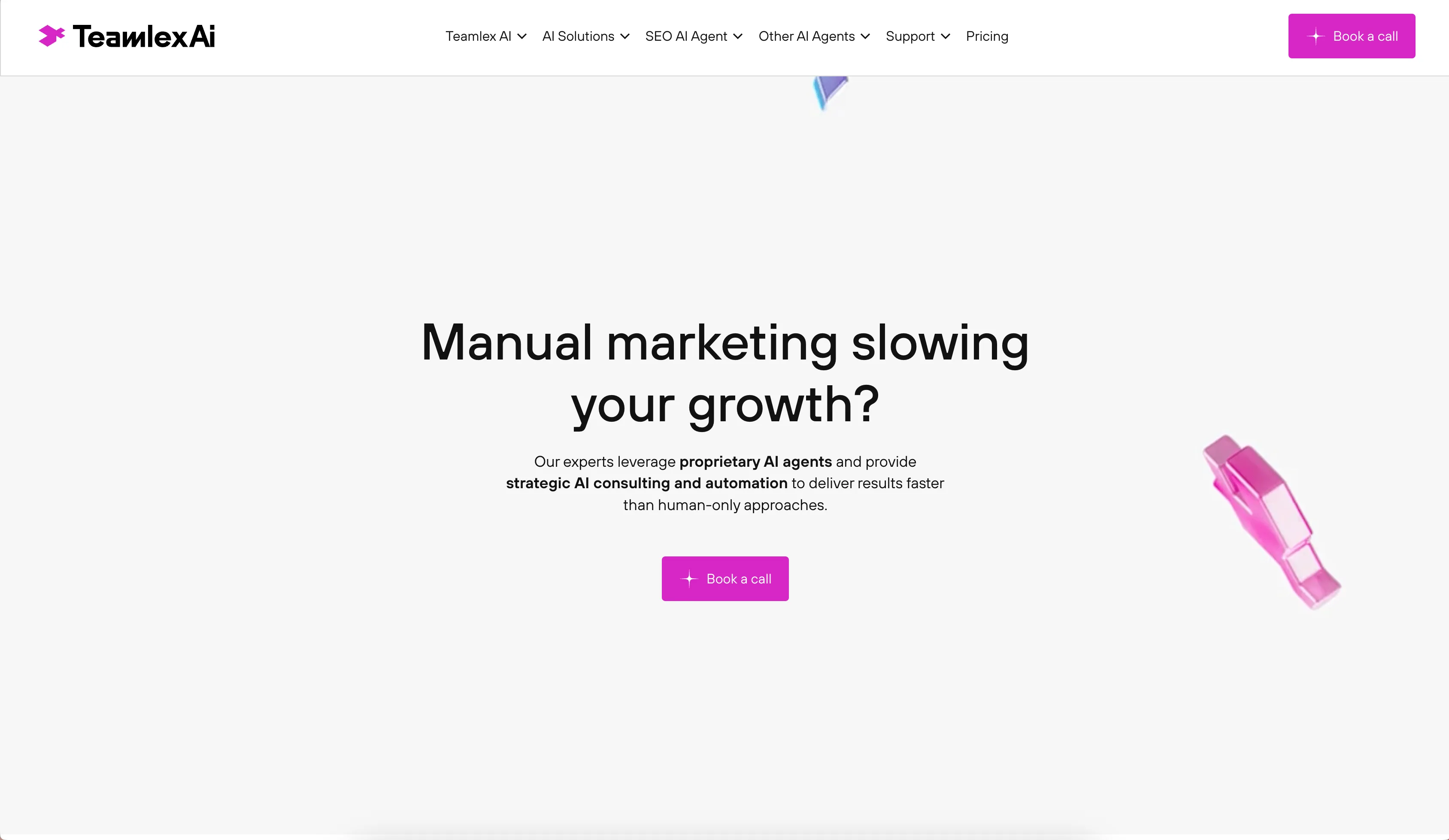
Teamlex AI: an AI SEO platform
An AI SEO platform for understanding search intent, analyzing competitors, and creating optimized content.
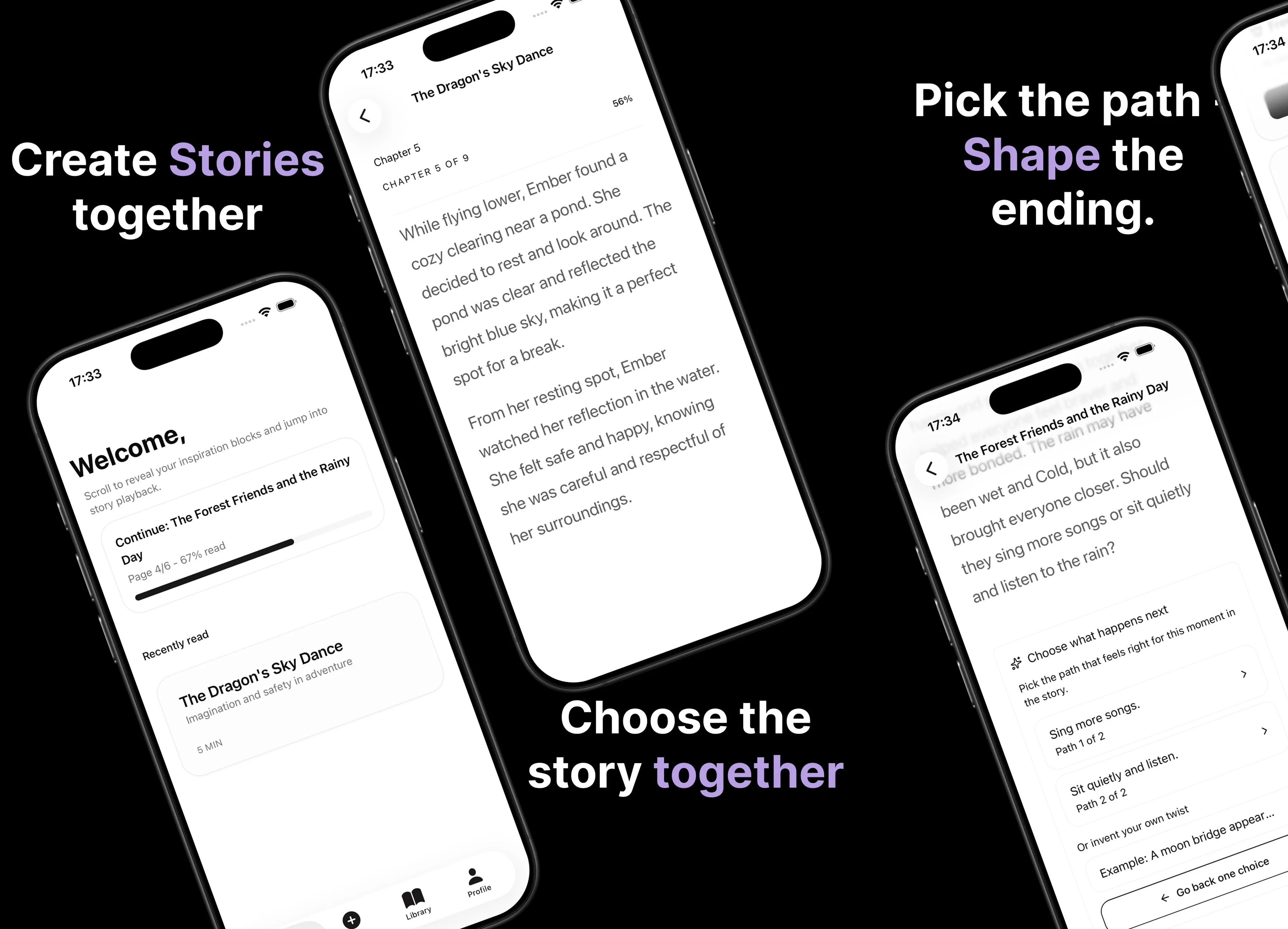
Parent AI Stories: personalized bedtime stories
A mobile product that helps parents create personalized bedtime stories for children in minutes.