How to Hire an AI Development Team: What to Look For
Hiring an AI development team means checking for something narrower than general engineering skill: real production experience with retrieval, evaluation, and the operational side of running LLM systems, not just the ability to call an API and get a demo working. The gap between an impressive AI demo and a reliable AI feature is almost entirely in the parts that don't show up in a portfolio screenshot - and that's exactly what to screen for.
Why this hiring decision is different from a normal dev hire
A working AI demo is achievable in an afternoon by someone with no production AI experience at all; foundation model APIs are that accessible. That accessibility is a trap in hiring: it means "I've built AI features" can describe genuinely different levels of experience. The person who's shipped a chatbot side project and the person who's run a RAG system in production for a year with real users both have that line on their resume. What separates them only shows up when you ask about the parts that break.
What to actually look for
- Production experience, not just prototype experience. Ask what happened after launch. Someone who's actually run an AI feature in production has specific stories about drift, cost spikes, or edge cases that broke things - vague answers here are a signal.
- Evaluation and testing discipline. A team that can describe how they measure whether an AI feature is actually working - not just "it seemed fine" - is a strong positive signal. See how to test and evaluate LLM outputs before shipping for what a real answer to this should sound like.
- Retrieval and data architecture experience, if your product needs RAG. Building a pipeline that returns the right context reliably is genuinely hard engineering, distinct from prompting skill. See building a production RAG pipeline for what good practice looks like here.
- Cost awareness. A team that's thought about token usage, model tiering, and caching has usually actually operated a system at scale. One that hasn't considered cost at all has usually only built demos. See how to reduce LLM API costs.
- Honesty about limitations. Teams that acknowledge where LLMs are unreliable and design around it are more trustworthy than ones that promise the model will "just work" for everything.
- Software engineering fundamentals, still. An AI feature lives inside a real product with a database, an API, authentication, and deployment. AI expertise without solid general engineering produces fragile systems.
Questions worth asking in an interview or proposal review
- "Tell me about an AI feature you shipped that didn't work as expected at first. What did you change?" Real experience produces a specific, technical answer. Someone without production experience tends to answer in generalities.
- "How would you know if this feature's quality degraded after a model or prompt change?" This is really asking about evaluation practice, without using the word.
- "What happens when the model is wrong or the retrieval misses?" Good teams have thought about failure and degradation, not just the success path.
- "How would you keep this reliable and its cost predictable as usage grows 10x?" Tests whether they're thinking past the demo.
- "What would you push back on in this project?" A team with real experience usually has opinions about scope or approach, informed by having hit specific walls before.
Where to look, and what red flags to watch for
- A portfolio of demos, with no mention of what happened after launch, is a caution sign. Ask directly what changed once real users touched the feature.
- Overpromising on accuracy or reliability without qualification is a red flag. Experienced teams are specific and honest about where a model is likely to struggle.
- No mention of evaluation, monitoring, or cost anywhere in their process description. These aren't optional extras for a serious AI build; their absence usually means the team hasn't operated something in production long enough to learn why they matter.
- A single generalist claiming deep expertise across model training, infrastructure, prompt engineering, and product design. It's possible, but rare, and worth probing rather than taking at face value.
Freelancer, agency, or in-house - does it change for AI specifically?
The general trade-offs between hiring a freelancer, an agency, or building in-house are covered well in MVP development company vs freelancer, and most of that reasoning holds for AI work too. What's specific to AI:
- The field moves fast, so recent hands-on experience matters more here than in most engineering domains. A team whose last AI project was two years ago has likely missed real shifts in what's practical and what things cost.
- A small, senior team often beats a larger junior one for AI work specifically, because the hard parts (evaluation design, retrieval quality, failure handling) benefit more from judgment than from headcount.
- In-house hiring for AI specifically is harder right now, since experienced AI engineers are in high demand. An agency or specialist freelancer can be the faster path to real expertise if you don't already have it internally.
Vetting before you commit
- Ask for a reference from a project similar to yours, ideally one that's been in production for at least a few months, not just launched.
- Have them walk through their evaluation approach for a past project in specific technical detail. Vague or absent answers here are more telling than anything else in the conversation.
- Start with a small, well-scoped piece of work before committing to the full build, especially for a team you haven't worked with before. This tests both technical ability and how they communicate about problems.
- Check how they'd fit your existing stack, not just whether they can build AI features in isolation. AI work that doesn't integrate cleanly with your existing product creates its own maintenance burden.
Bottom line
The skill that separates a good AI hire from a risky one is rarely visible in a demo. It shows up in how they talk about what happens after launch: how they'd know something broke, how they'd keep cost under control, and how honestly they describe what the model can't do. Screen for that, more than for the ability to produce an impressive first version.
If you're evaluating who should build an AI feature for your product, RMJDG can help you assess proposals or take on the build directly. You can reach out through the RMJDG site.
Services
Not sure where to start? Tell me what you want the product to do.
Related work
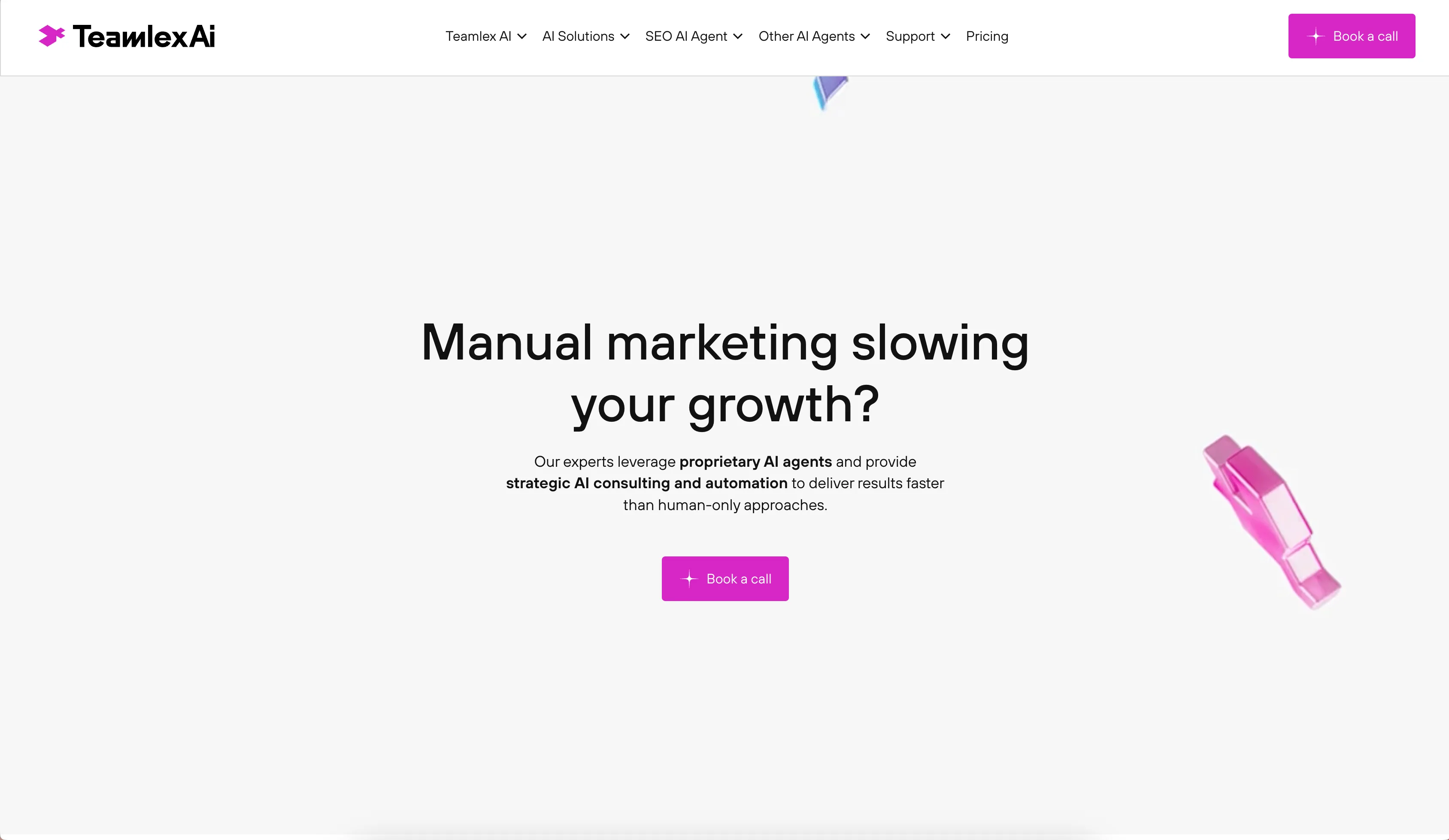
Teamlex AI: an AI SEO platform
An AI SEO platform for understanding search intent, analyzing competitors, and creating optimized content.
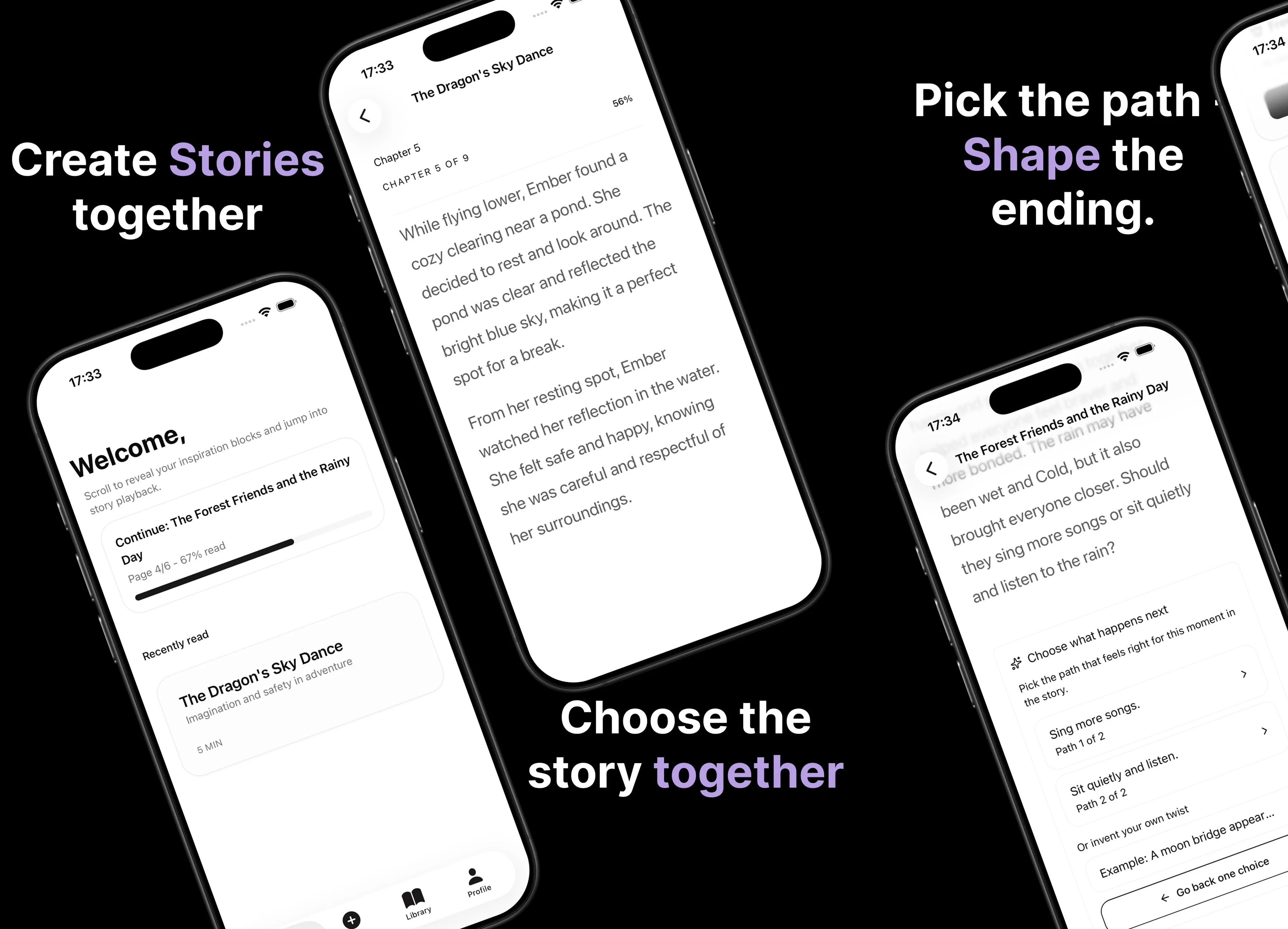
Parent AI Stories: personalized bedtime stories
A mobile product that helps parents create personalized bedtime stories for children in minutes.