How to Hire a Mobile App Development Team: A Practical Guide
The best way to hire a mobile app development team is to define your scope first, shortlist teams that have shipped apps like yours to the app stores, and judge them on how they work (scoping, communication, testing, handover) rather than on their pitch deck. A good team asks hard questions about your users and your first release before quoting a price. A weak one quotes a number in the first call.
Here's a practical process, plus the red flags that save you the most money.
Step 1: Get clear on what you're buying
Before you talk to anyone, write down:
- The core user flow. The one thing a user must be able to do in version one.
- Platforms. iOS, Android, or both. If both, whether a cross-platform approach fits (see our guide to React Native vs native development).
- Integrations. Payments, maps, CRM, calendar, AI features, existing APIs.
- Backend needs. Whether you have one, or need it built too.
- Budget range and deadline. Even a rough range helps a team propose realistic scope. For benchmarks, see how much mobile app development costs in 2026.
You don't need a 50-page spec. A one-page brief with screens sketched on paper is enough to get useful proposals.
Step 2: Choose the type of team
Freelancer. Lowest cost and most flexible, but a single point of failure. Works for small, well-defined apps if you can vet them carefully and you have someone to manage the work.
Small specialist studio. Usually the sweet spot for MVPs: senior people, direct communication, and enough range to cover design, mobile, and backend without you coordinating three vendors.
Large agency. Strong process and capacity, but higher price and more layers between you and the people building your app. Better suited to larger budgets and complex, multi-team projects.
In-house hire. Right when mobile is your long-term core product and you can afford to recruit, manage, and retain engineers. Too slow and costly for validating a first version.
Step 3: Evaluate what actually matters
Shipped apps, not screenshots. Ask for links to live apps on the App Store and Google Play. Download them. Check the ratings, the update history, and whether they feel fast and stable.
A relevant track record. Have they built something with your kind of complexity (real-time, payments, offline, hardware)? Experience with your core challenge is worth more than a big portfolio.
How they scope. Good teams break the project into screens, flows, and milestones and push back on features that don't belong in version one. Be wary of anyone who agrees to everything.
Who does the work. Ask who will actually write your code and whether they're senior. The team on the sales call and the team on the project are sometimes different people.
Testing and release process. Ask how they test on real devices, handle crash reporting, and manage store submission. A team that has been through App Store rejections knows how to avoid them.
Communication rhythm. Look for regular demos of working software, not just status reports. You should see the app running on a phone every week or two.
Step 4: Get the contract right
- You own the code. Source code, design files, and accounts (Apple Developer, Google Play, Firebase, cloud hosting) should be in your name from day one.
- Milestones tied to working software, not just calendar dates.
- Clear scope and change process, so new requests are priced openly rather than argued about.
- Handover. Documentation, repository access, and a walkthrough so you're never locked in.
- Post-launch support terms. Bug-fix warranty and a maintenance option, since apps need updates as iOS and Android evolve.
Red flags
- A fixed price quoted before any scoping conversation.
- No live apps to show, or portfolio apps that have been abandoned.
- Reluctance to give you ownership of accounts and repositories.
- Vague answers about who builds the app or how it's tested.
- Pressure to sign quickly or to pay most of the fee upfront.
- Promising every feature on a very short timeline.
Ask these questions in the first call
- Which apps have you shipped that are closest to mine, and can I try them?
- Who exactly will work on my project, and what's their experience?
- How do you decide what goes into version one?
- How will I see progress, and how often?
- What happens if the scope changes midway?
- Who owns the code and the store accounts?
- What does support look like after launch?
The answers matter more than the prices. A team that answers these clearly and asks good questions back is usually the safer bet even if it isn't the cheapest.
Getting started
Start small: a paid discovery or scoping phase with one or two shortlisted teams shows you how they think before you commit to a full build. At RM JDG we begin mobile projects that way, mapping screens, flows, and integrations first and pricing against that.
Services
Not sure where to start? Tell me what you want the product to do.
Related work
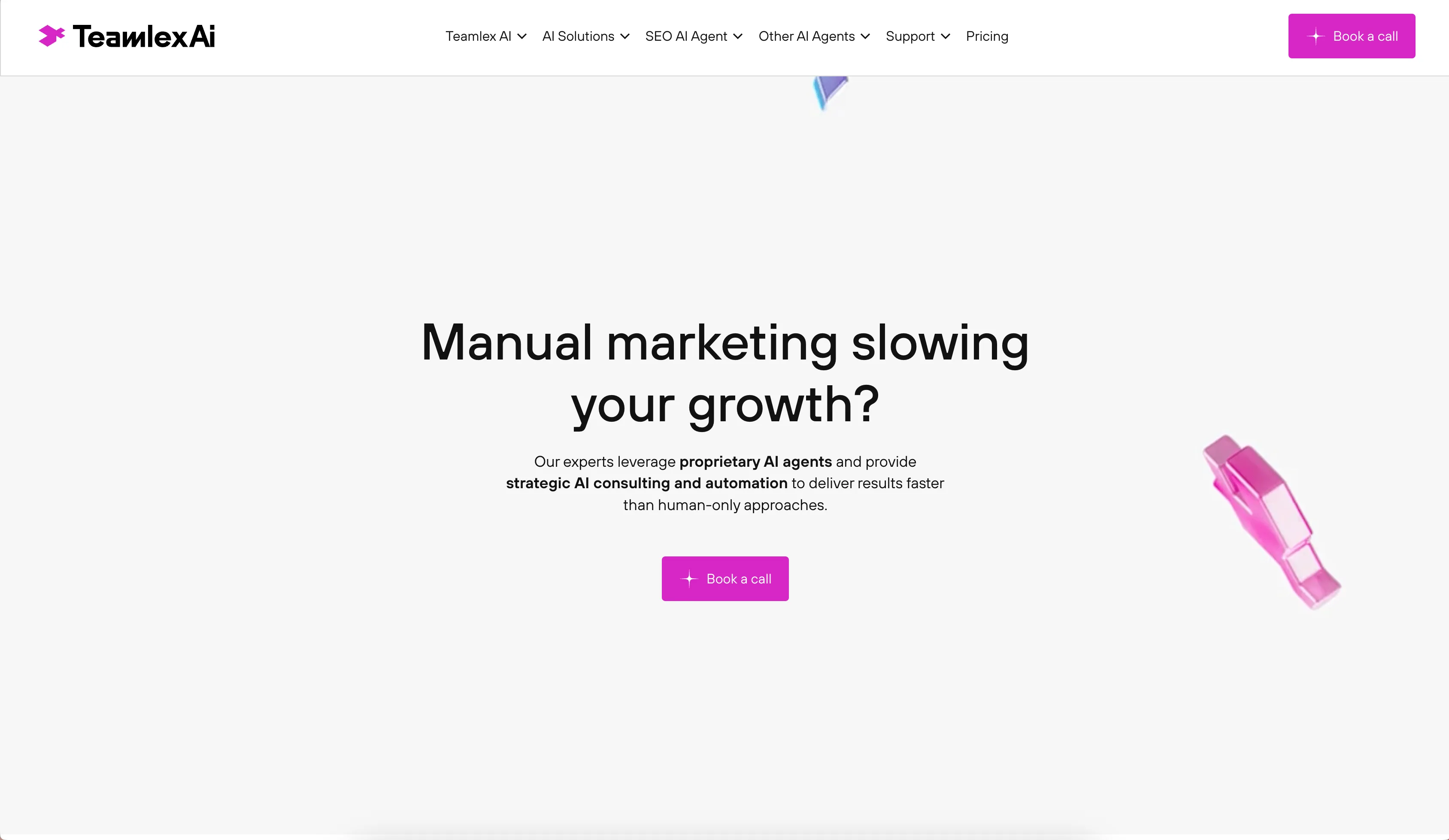
Teamlex AI: an AI SEO platform
An AI SEO platform for understanding search intent, analyzing competitors, and creating optimized content.
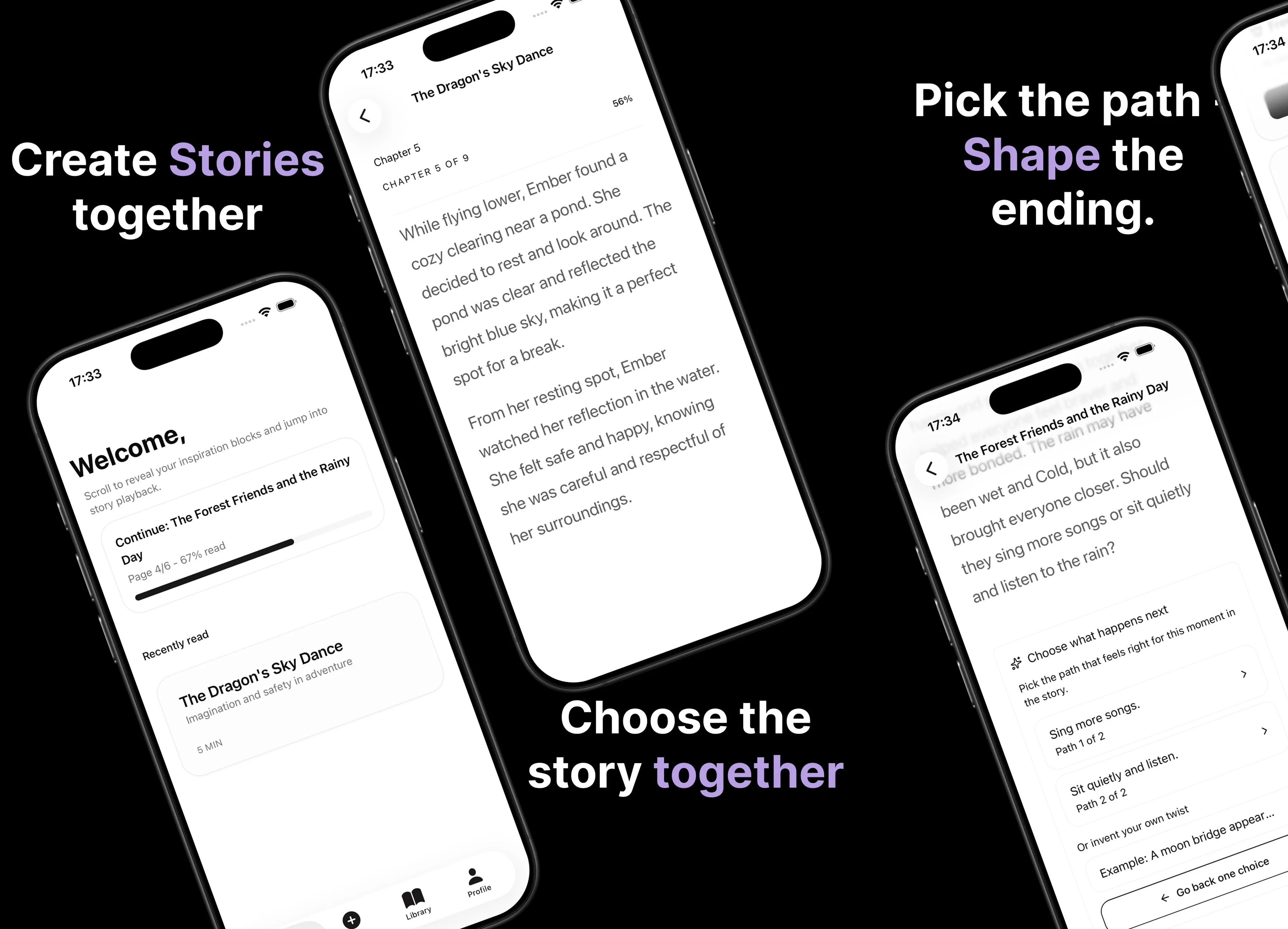
Parent AI Stories: personalized bedtime stories
A mobile product that helps parents create personalized bedtime stories for children in minutes.