How Much Does Mobile App Development Cost in 2026? A Realistic Breakdown
Most mobile apps in 2026 cost somewhere between $15,000 and $150,000+ to build, depending on scope, platform strategy, and how much backend work is involved. A simple single-platform MVP with basic screens and one core workflow lands at the low end. A cross-platform app with real-time features, third-party integrations, and offline support lands in the middle. A native app with custom hardware access, heavy animation, or two fully separate codebases (iOS and Android built natively) sits at the top.
Below is where that money actually goes, and how to avoid paying for scope you don't need yet.
Cost by app complexity
Simple app ($15,000-$35,000) A handful of screens, one primary user flow, basic auth, a simple backend (CRUD operations against a database), no complex state management. Think a booking app, a simple marketplace listing app, or an internal tool with a handful of views. Built with React Native or Expo, targeting both iOS and Android from one codebase.
Mid-complexity app ($35,000-$80,000) Real-time features (chat, live status updates, push notifications), payments, third-party API integrations (maps, calendars, CRMs), offline-first data sync, and a more involved backend with proper authentication, role-based access, and admin tooling. Most funded startup MVPs fall in this range.
Complex app ($80,000-$150,000+) Custom native modules (Bluetooth, camera processing, ARKit/ARCore, background location tracking), heavy custom animation or gesture work, video/audio processing, multi-tenant architecture, or requirements that push you toward fully native development on both platforms instead of a shared codebase.
These ranges assume a single well-scoped MVP release, not a mature product with years of accumulated features.
What actually drives the price
Platform strategy. Cross-platform frameworks like React Native and Expo let you ship one codebase to both iOS and Android, which is usually 30-40% cheaper than building native apps on both platforms separately. You give up a small amount of performance headroom and access to the newest platform-specific APIs on day one, but for most business apps that tradeoff is worth it. Native development (Swift/Kotlin) earns its cost when you need best-in-class performance, deep OS integration, or you're building something like a game or a camera-heavy app where every millisecond matters. See our full breakdown of React Native vs native development if you're still deciding between the two.
Backend complexity. The app you see on the phone is often the smaller half of the budget. Authentication, data models, business logic, third-party integrations, and admin dashboards typically account for 40-50% of total cost on anything beyond a trivial app.
Design maturity. A polished, custom UI with original illustrations and animation costs more than working from a clean, functional design system. If you already have a design system from a web product, reusing its tokens (colors, spacing, type scale) in the app cuts design cost meaningfully.
Third-party integrations. Payments (Stripe, RevenueCat for subscriptions), maps, calendar sync, CRM connections, and AI features (chat, recommendations, content generation) each add integration and testing time. Budget for this explicitly rather than assuming it's "just an API call."
App store review and compliance. Apple's review process, privacy manifest requirements, and Android's Play Store policies add real engineering time if this is your first submission. Push notifications, background processing, and health/location data all carry additional compliance overhead.
Hidden costs founders miss
- Device testing. iOS and Android fragmentation means testing across a spread of real devices and OS versions, not just a simulator. Skipping this shows up as 1-star reviews about crashes on specific phones.
- Push notification infrastructure. Setting up and maintaining a reliable notification pipeline (Firebase Cloud Messaging, Apple Push Notification service) is its own small project, not a checkbox.
- App store assets and submission. Screenshots, preview videos, App Store Optimization copy, and the first-submission review cycle (which can take 1-2 weeks and bounce back for fixable issues) add calendar time even when they don't add much cost.
- Post-launch monitoring. Crash reporting, analytics, and update cadence for OS version changes are ongoing costs, not one-time build costs. Budget 15-20% of the initial build cost per year for maintenance and OS compatibility updates.
- Backend hosting and scaling. Serverless functions and managed databases keep early-stage hosting cheap, but real-time features (chat, live location) and file storage (photos, video) can scale cost faster than founders expect once you have real usage.
How to control cost without cutting the wrong corners
Start with the smallest version of the app that tests your actual hypothesis. If the question is "will people use this daily," you don't need offline sync and custom animations to answer it - you need the core loop working reliably. Add complexity in the areas that differentiate you, and use standard patterns (off-the-shelf auth, standard navigation, common UI components) everywhere else.
Cross-platform first is the default that makes sense for the overwhelming majority of startup and business apps in 2026. Reach for native only when you have a specific, concrete reason - not because native is assumed to be "more serious."
Get a fixed scope for the first release before you get a price. Vague scope produces vague quotes, and vague quotes are the single biggest source of budget overruns on mobile projects.
Getting a real estimate
A cost range from an article is a starting point, not a quote. The number that matters is what your specific screens, integrations, and platform choices add up to. At RM JDG, we scope mobile projects by mapping out the actual screens and data flows first, then pricing against that - which is also usually the fastest way to find out you don't need half the features you assumed you did.
Services
Not sure where to start? Tell me what you want the product to do.
Related work
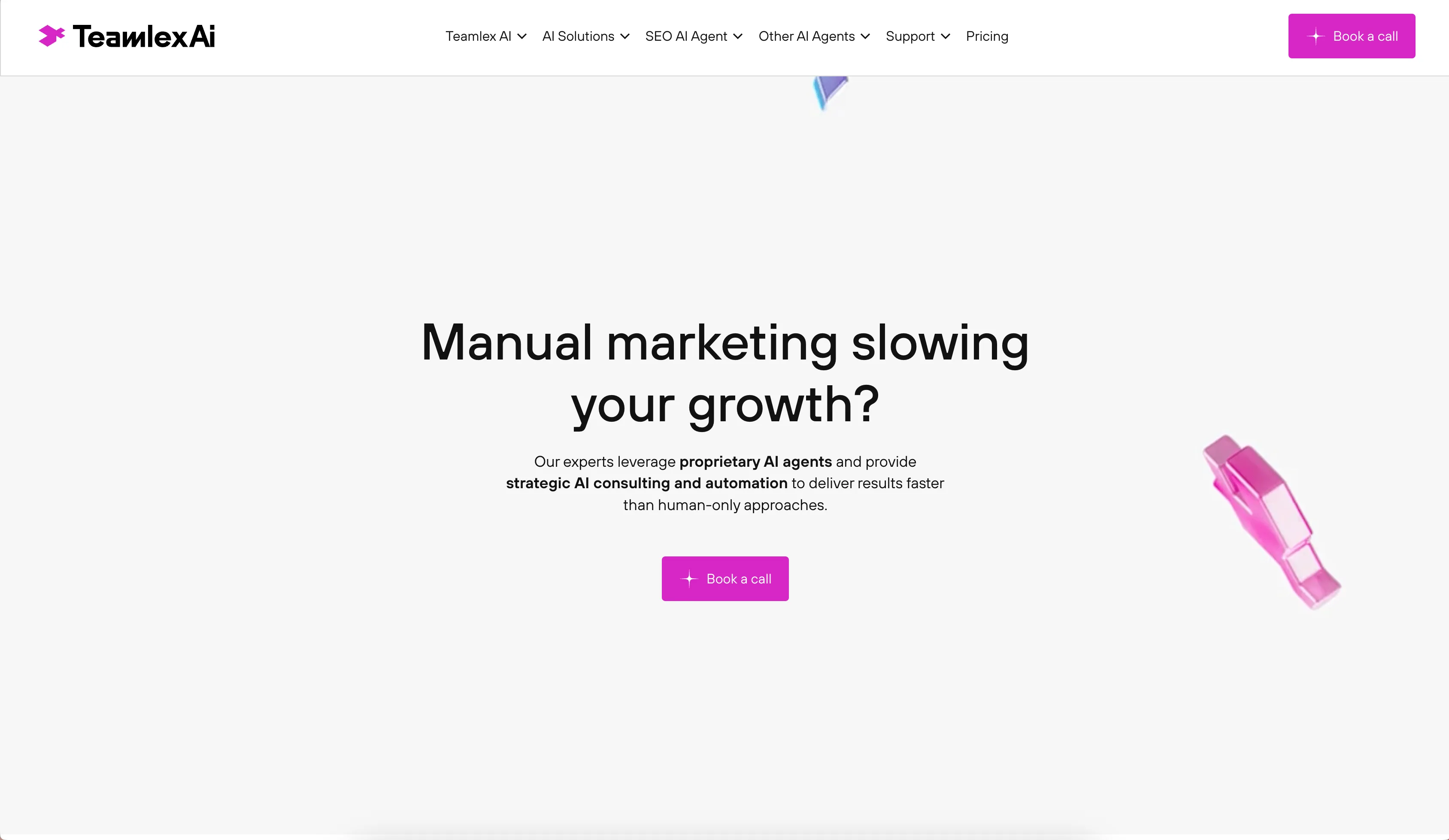
Teamlex AI: an AI SEO platform
An AI SEO platform for understanding search intent, analyzing competitors, and creating optimized content.
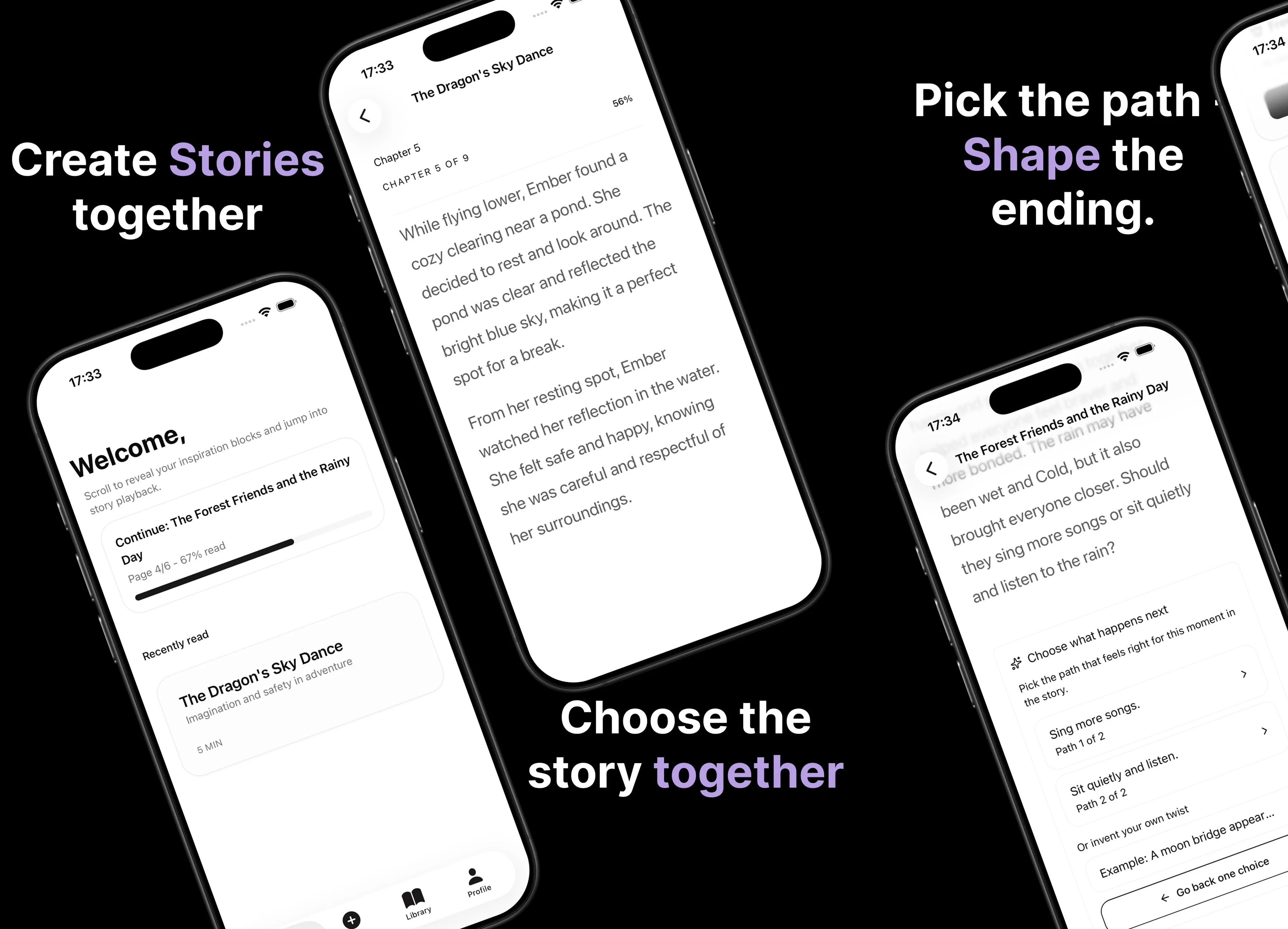
Parent AI Stories: personalized bedtime stories
A mobile product that helps parents create personalized bedtime stories for children in minutes.