Web App vs Mobile App for Your MVP: Which Should You Build First?
For most startups, a web app is the faster and cheaper way to test an idea, and a mobile app is worth building first only when the product depends on things a browser can't do well: reliable push notifications, background location, camera or sensor access, offline use, or a daily-habit loop that lives on the home screen. If you're unsure, start with a responsive web app or a progressive web app (PWA), learn from real usage, and move to native mobile once the evidence says users want it there.
Here's how to decide without guessing.
What each option actually gives you
A web app runs in the browser on any device. You ship updates instantly, there's no app store review, sharing is a link, and one codebase covers desktop, tablet, and phone. Distribution is your own: SEO, ads, email, direct links.
A mobile app (built with React Native/Expo or fully native) lives on the user's phone. You get push notifications that actually get opened, deeper hardware access, a home-screen icon that builds habit, and app store discovery. You also take on store review cycles, device fragmentation, and a higher build cost.
A PWA sits in between: a web app that can be installed to the home screen, work offline, and send push notifications on most platforms. It's a legitimate middle path, though it still has gaps on iOS compared with a real app, and it lacks app store presence.
Start with web when
You're still validating the problem. If you don't yet know whether people will pay for this, the cheapest experiment wins. A web MVP can be live in weeks, changed daily, and tested with a link in a message.
Your users work at a desk. B2B tools, dashboards, admin panels, and workflow software are used on laptops during the workday. Building a mobile app first solves a problem your users don't have.
You need to iterate quickly. Shipping without store review means you can fix a broken flow in an hour instead of waiting days for approval.
Acquisition runs through search or links. If people will find you on Google or via shared URLs, a web app removes the install step, and every step between "click" and "use" costs you users.
Budget is tight. One web codebase is generally cheaper to build and maintain than a mobile app, and far cheaper than mobile plus web. For the numbers, see our breakdown of mobile app development costs in 2026.
Start with mobile when
The product is used in motion. Ride sharing, delivery, fitness tracking, field-service tools, and anything driven by location or sensors need background access and device hardware a browser can't reliably provide.
Push notifications are the engine. If the core loop is "something happens, the user gets pinged, the user comes back," mobile push is meaningfully stronger than web push, especially on iOS.
The habit matters more than the acquisition. Daily-use consumer products (habit trackers, journaling, language learning, social apps) benefit from the home-screen presence and lower friction of an installed app.
Offline use is essential. Apps used in places with poor connectivity, like warehouses, remote job sites, or travel, need dependable offline storage and sync.
Your audience already lives on phones. Some markets and demographics are mobile-only. If your users rarely touch a desktop, build where they are.
A quick decision test
- Does the core feature need hardware or background access a browser can't reliably give? If yes, mobile. If no, continue.
- Do users get value from a reminder or notification you'd send every day? If yes, lean mobile. If no, continue.
- Will users mostly find you through search, links, or a desktop workflow? If yes, web first.
- Are you still testing whether the idea works at all? If yes, web first, almost every time.
If you land on mobile, our guide to choosing between React Native and native development covers the next decision.
The sequencing that works for many teams
Plenty of successful products follow the same path: launch a web MVP, watch how people actually use it, then build a mobile app for the specific behaviors that justify it. This keeps early spend low, and by the time you commit to mobile you're building from usage data rather than assumptions. If your team is already React-based, a shared codebase approach with React Native can reuse a lot of business logic between the two.
The mistake to avoid is building both at once, before either has proven itself. Two platforms doubles your surface area for bugs, design decisions, and maintenance, at exactly the stage when you should be changing things fastest.
Choosing for your product
The right first platform is whichever lets you learn the most, for the least money, in the shortest time. For a lot of products that's web. For some, it's clearly mobile. If you can't tell which yours is, a short scoping exercise, listing the core user flow and the device capabilities each step needs, usually settles it in an afternoon. That's the same first step we take at RM JDG when scoping an MVP with a client.
Services
Not sure where to start? Tell me what you want the product to do.
Related work
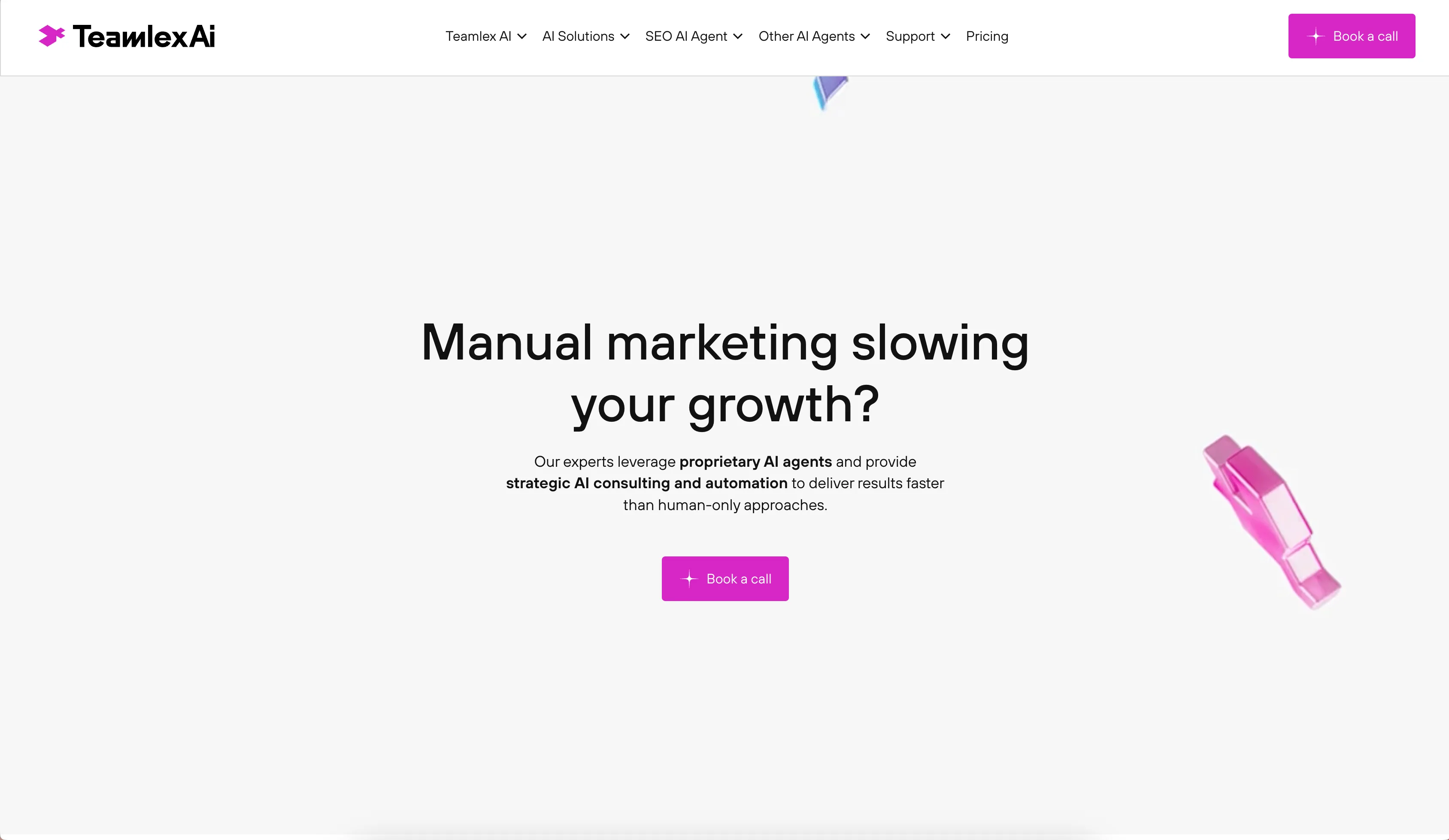
Teamlex AI: an AI SEO platform
An AI SEO platform for understanding search intent, analyzing competitors, and creating optimized content.
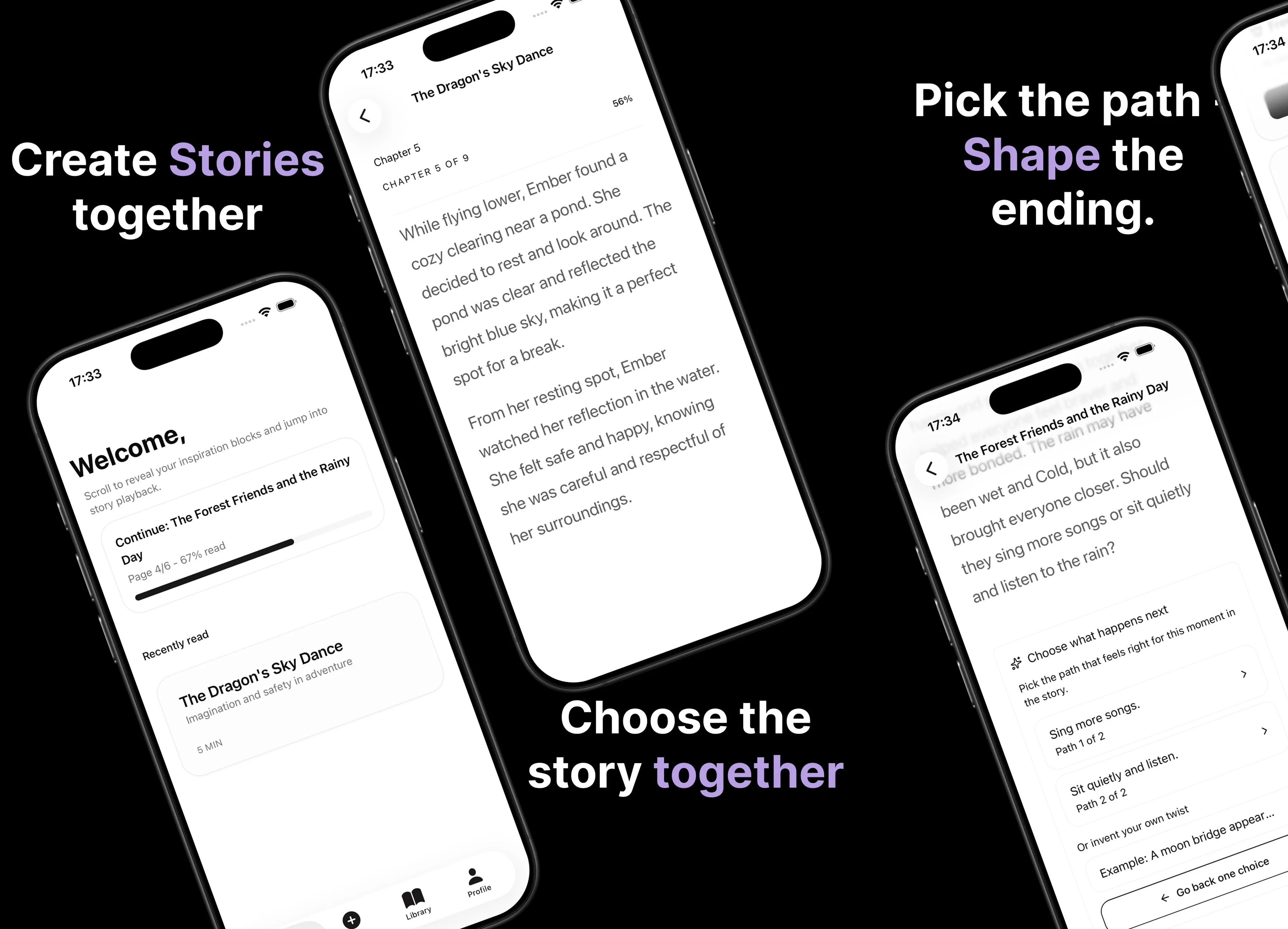
Parent AI Stories: personalized bedtime stories
A mobile product that helps parents create personalized bedtime stories for children in minutes.